English
  العربية
  简体中文
简体中文  Français
  Deutsch (Sie)
  Русский
  Español
 -
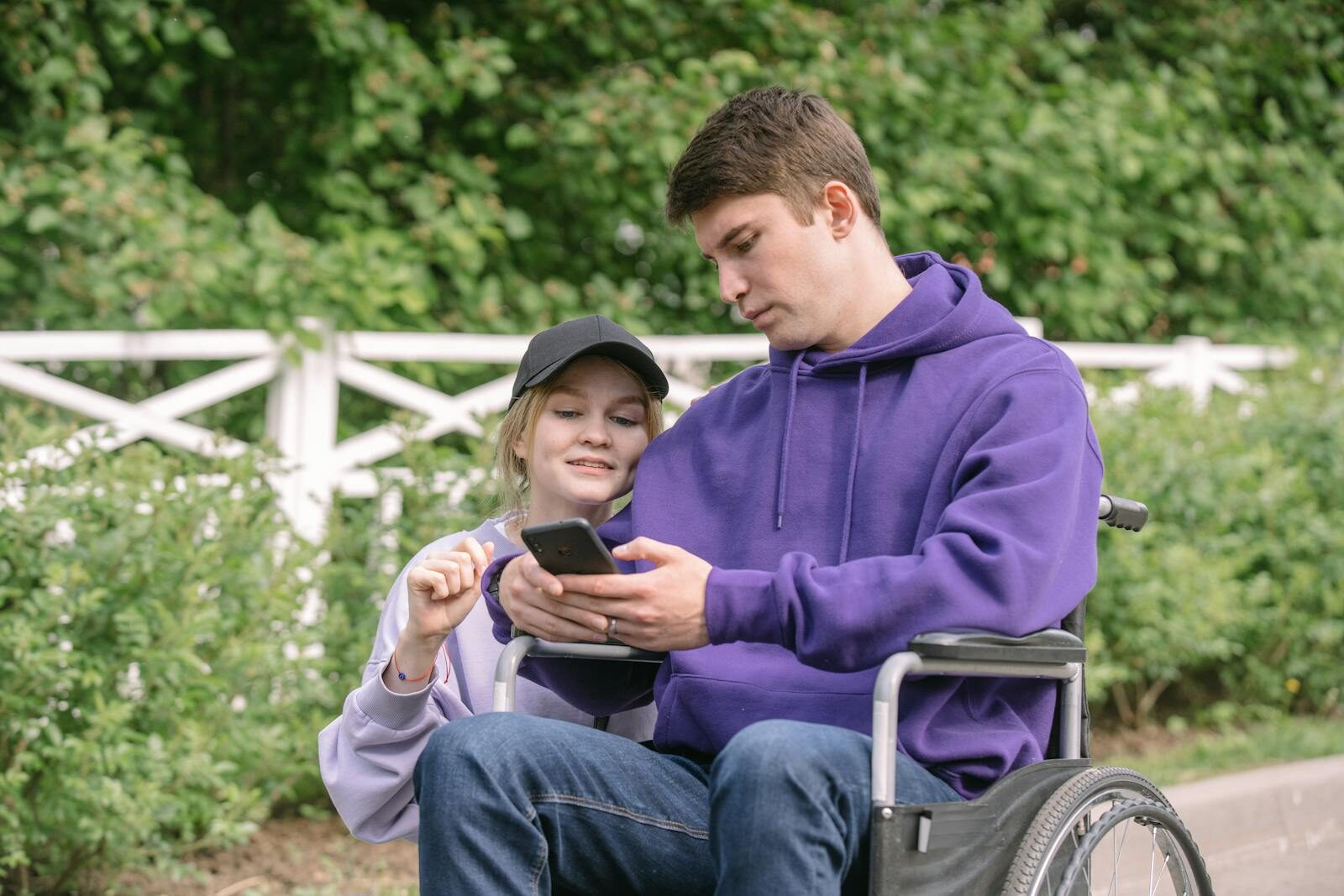
Technology Unlocking Active Lives for People with Disabilities
What is it about? Physical activity has been central in the life of our species for most of it’s history, and thus shaped our physiology during evolution (1). Among people with disabilities, participation in physical activity is often significantly lower compared to those without disabilities…
2–4 minutes -
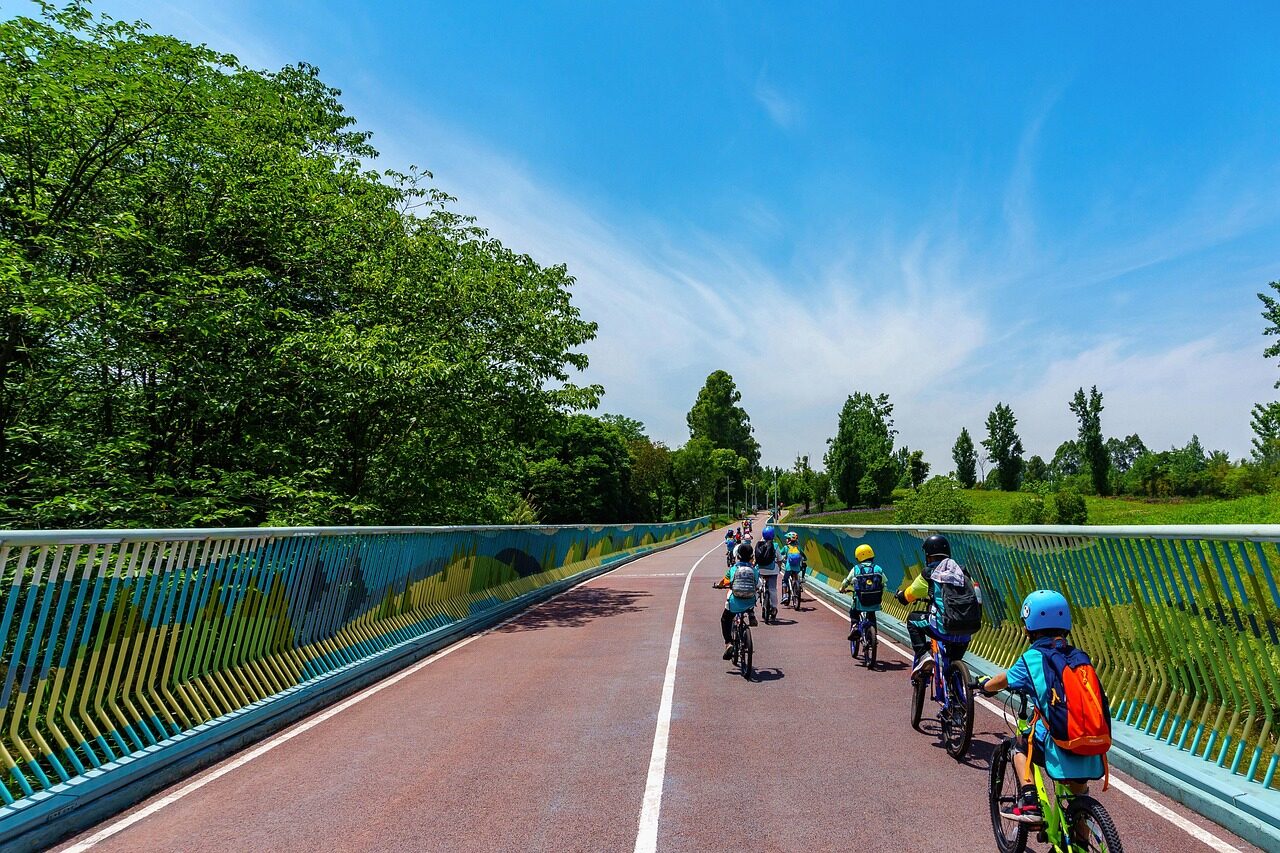
How do New Zealand adolescents get around?
Understanding how environment shapes adolescents’ independence, physical activity, and travel choices What is it about? Active transport, such as walking, cycling, or other non-motorised ways of getting around, is one of the simplest and most effective ways for adolescents to stay active in daily life.…
3–4 minutes -
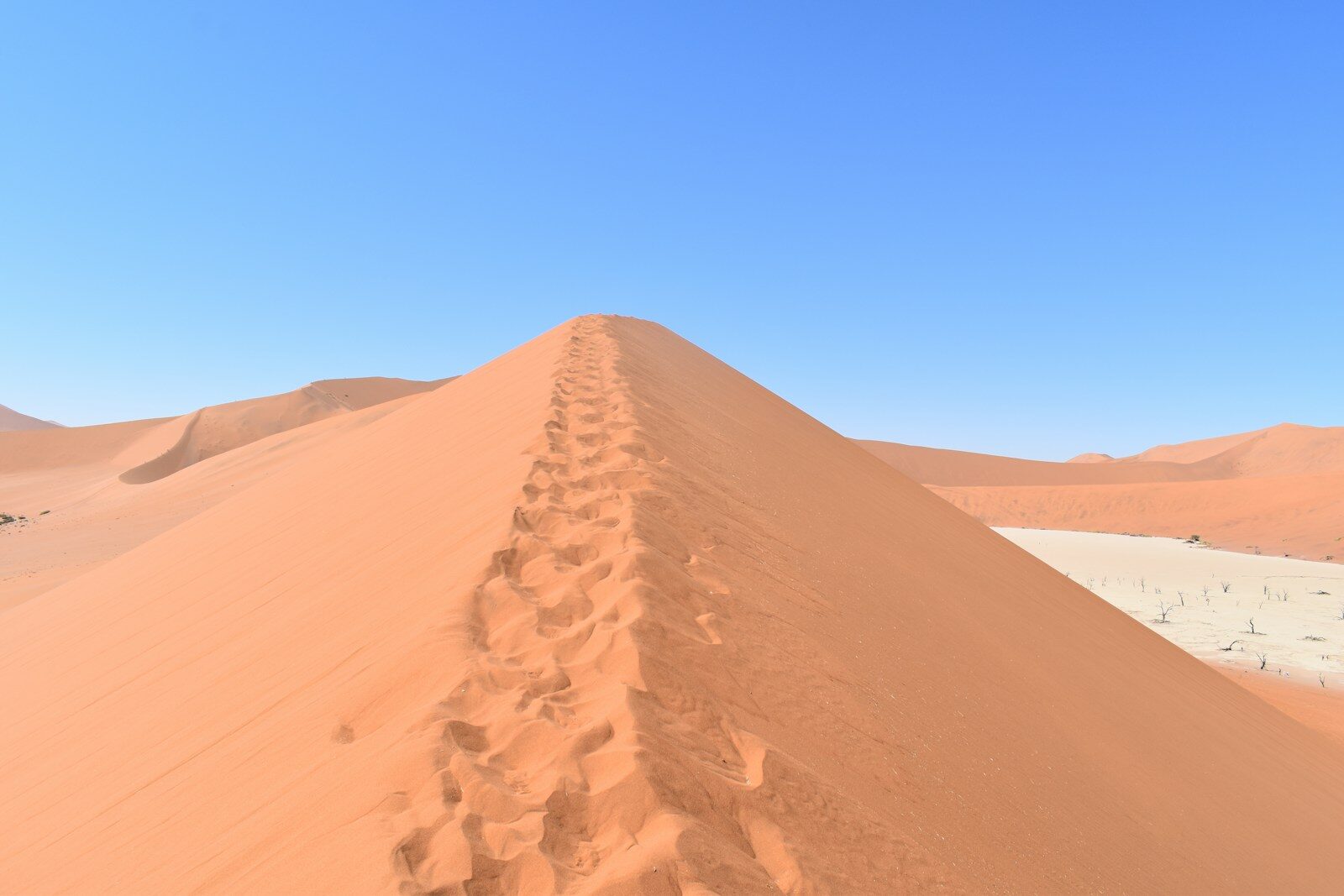
Heritage-Inspired Desert Programs
Traditional Emirati walking routes transformed into accessible physical activity programs for older adults with remarkable health outcomes What is it about? As the sun rises over golden dunes, 63-year-old Fatima adjusts her hiking stick and smiles at her walking group. “I haven’t felt this strong…
2–3 minutes -
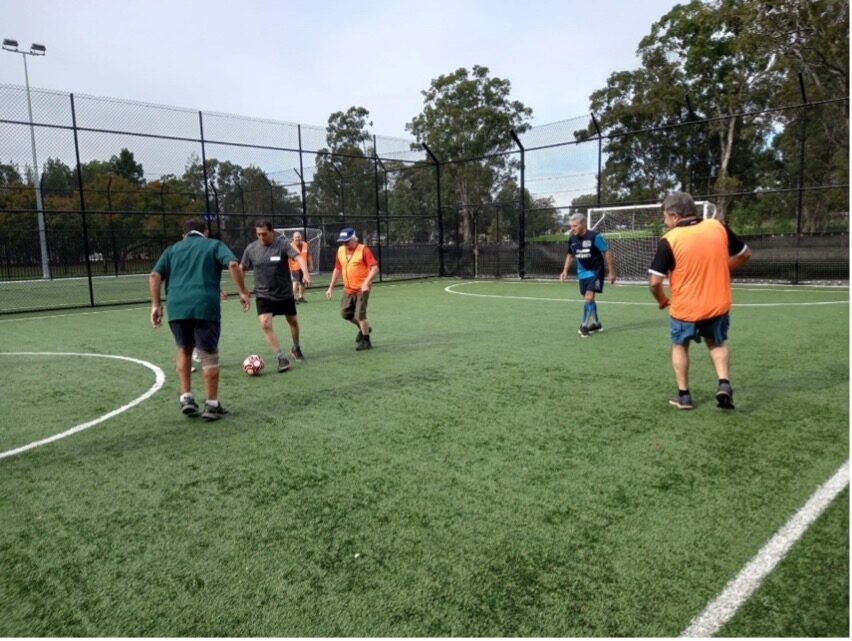
WalkSoccer: Building Community and Health Through Play
A slower-paced game helping adults 60+ stay active and socially connected. What is it about? WalkSoccer is a slower, low-impact version of the world’s favorite sport with two key rules: no running and no contact. It keeps the fun, tactics and teamwork of traditional soccer…
2–3 minutes -
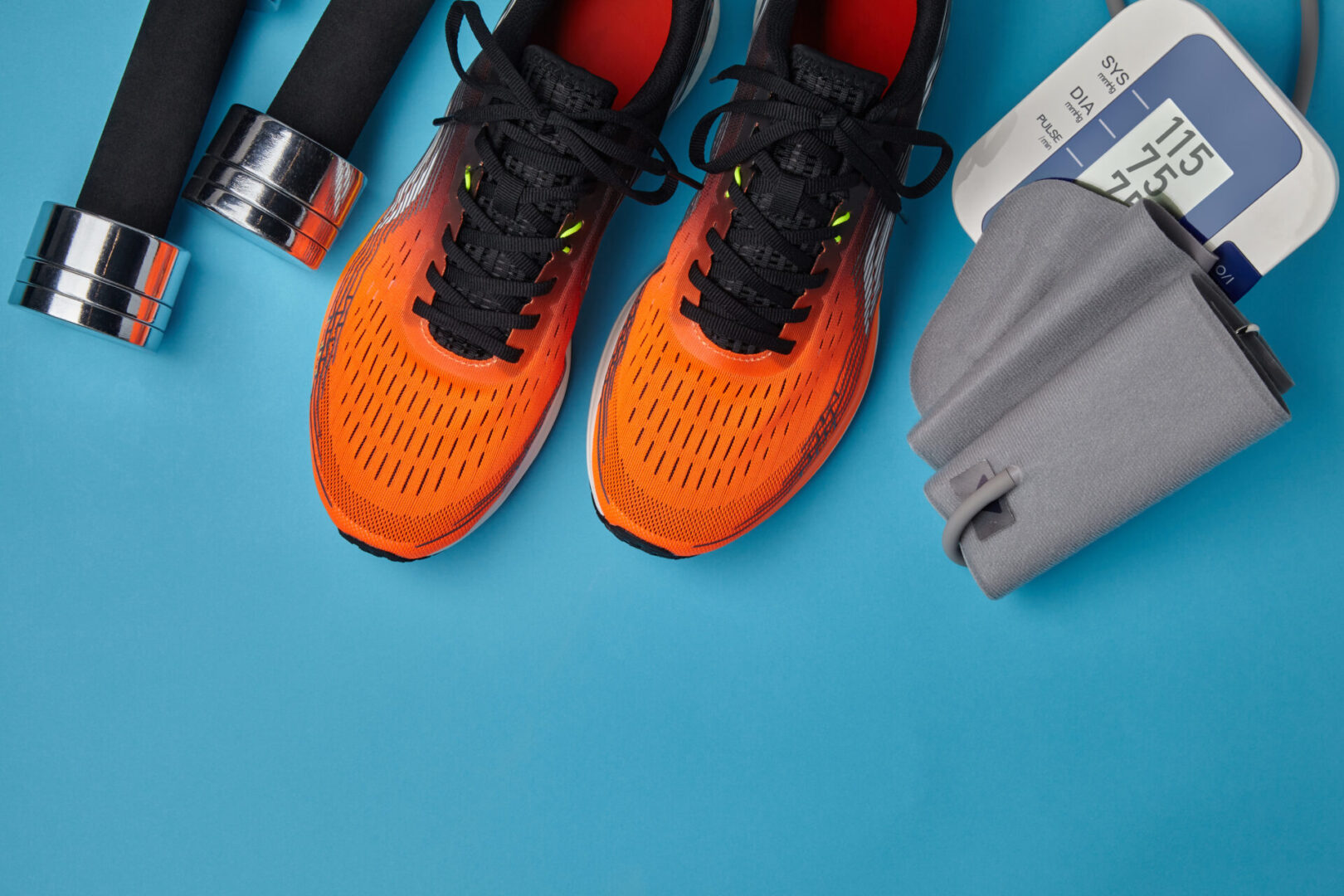
Don’t Miss a Beat: Mobilizing the Physical Activity Workforce to Address Hypertension
A call to action for physical activity leaders to help close the global hypertension care gap. Hypertension is one of the most preventable contributors to heart disease, and physical activity is one of the most powerful tools we have to address it. Yet globally, physical…
4–6 minutes -
Now you can spotlight your JPAH publications with ISPAH!
Showcase your JPAH publications through ISPAH’s global communication channels – a unique benefit for active members. What is it about? As part of your ISPAH membership, you can now submit your recent Journal of Physical Activity and Health (JPAH) publications to be promoted across ISPAH’s…
1–2 minutes -
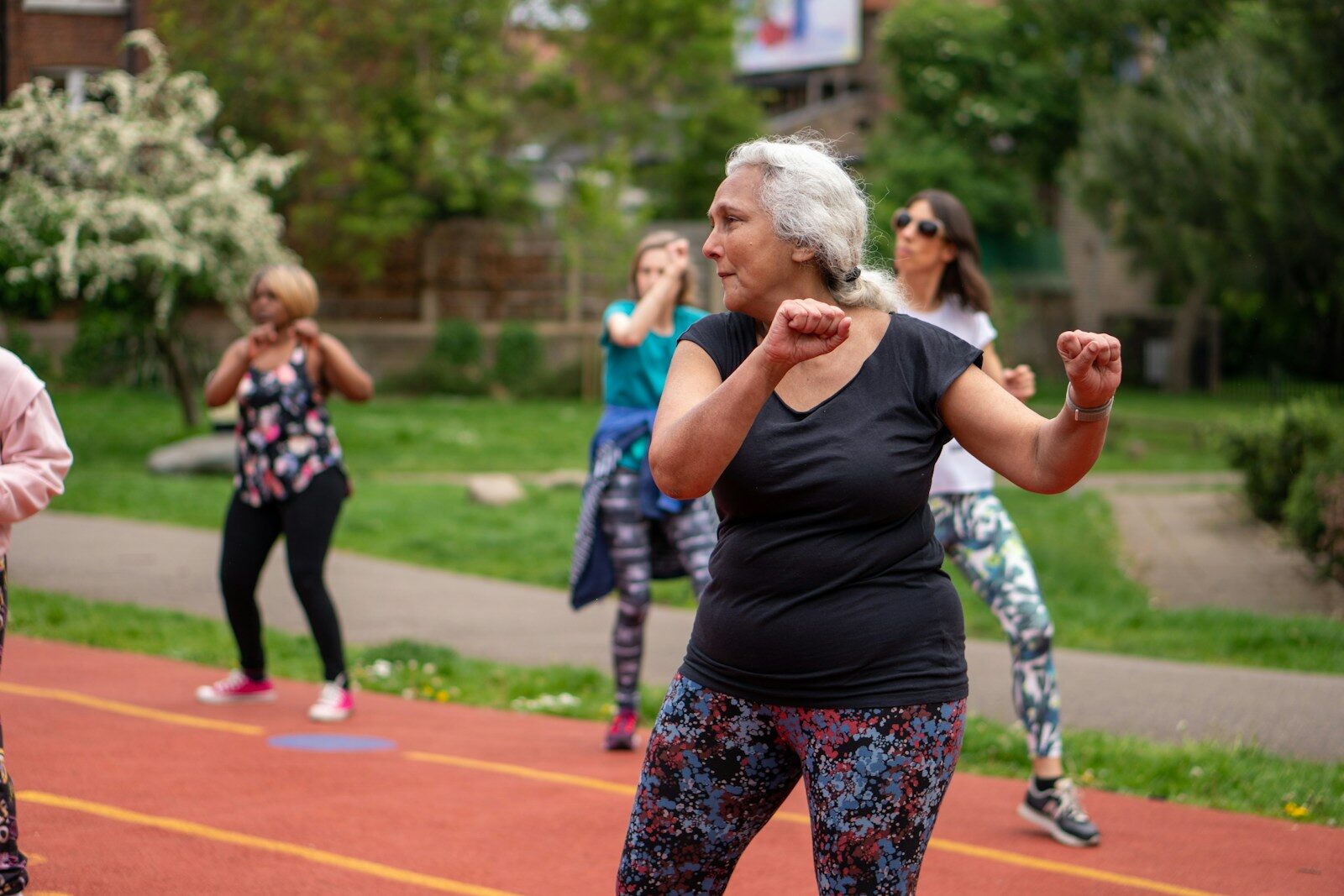
Engaging older adults in meaningful physical activity: It’s a balancing act!
Physical activity is essential for maximising health, wellbeing and independence in older age – even small amounts help, and balance-focused exercise is especially effective for preventing falls. Yet many older adults struggle to stay active, and broad participation remains a challenge. So how can we…
5–8 minutes -

Avoiding ‘voltage drop’ in schools research
Designing and evaluating a scalable whole-of-school physical activity intervention that is effective and inexpensive. Physical inactivity is a global problem and schools are ideal settings to address this challenge. Single component interventions (e.g., physical education only) can increase students’ activity during one segment of the…
4–6 minutes -
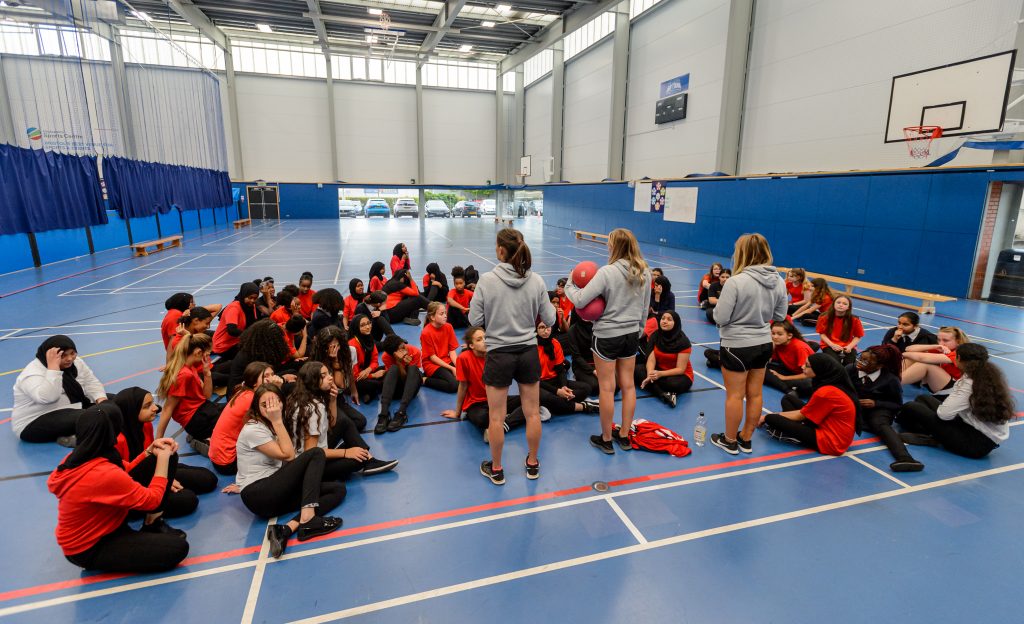
Creating A Solution that transforms physical activity culture in schools
A whole school framework to embed physical activity at the heart of the school so that it becomes everyone’s responsibility. The Global Action Plan on Physical Activity highlights just how complex it is to change levels of physical activity. Schools are an important component of…
4–6 minutes -
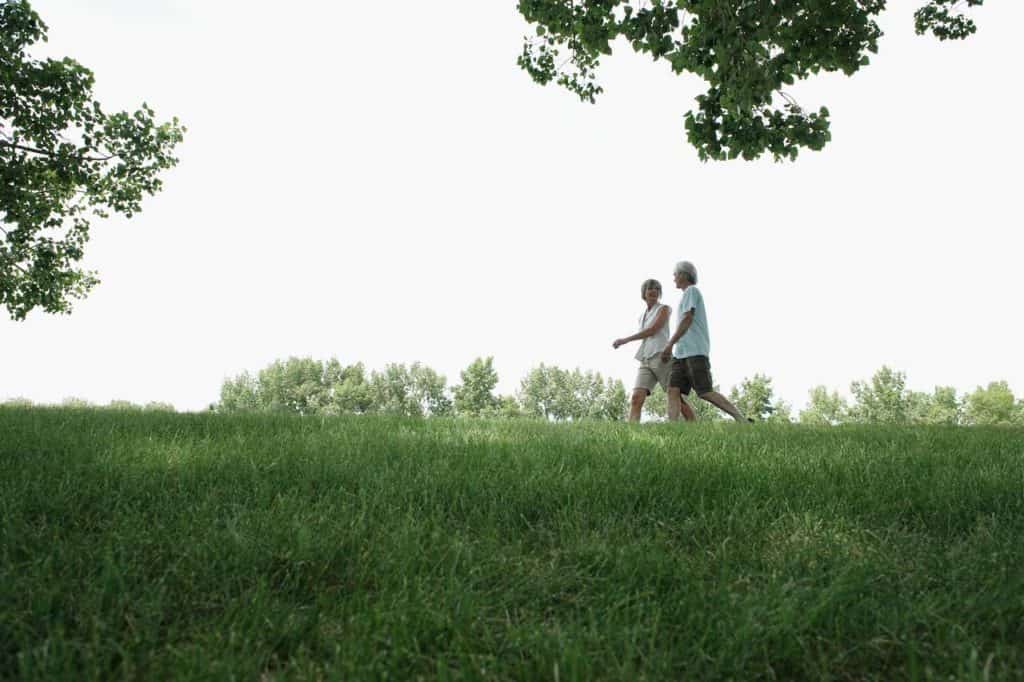
Collaborative working to increase walking in local parks
Academics work with local stakeholders to enhance a community asset in a deprived area of a UK town Delapré Park is a 550-acre urban park in Northampton in the East Midlands region of the United Kingdom that has been the location for local partnership working…
4–6 minutes -
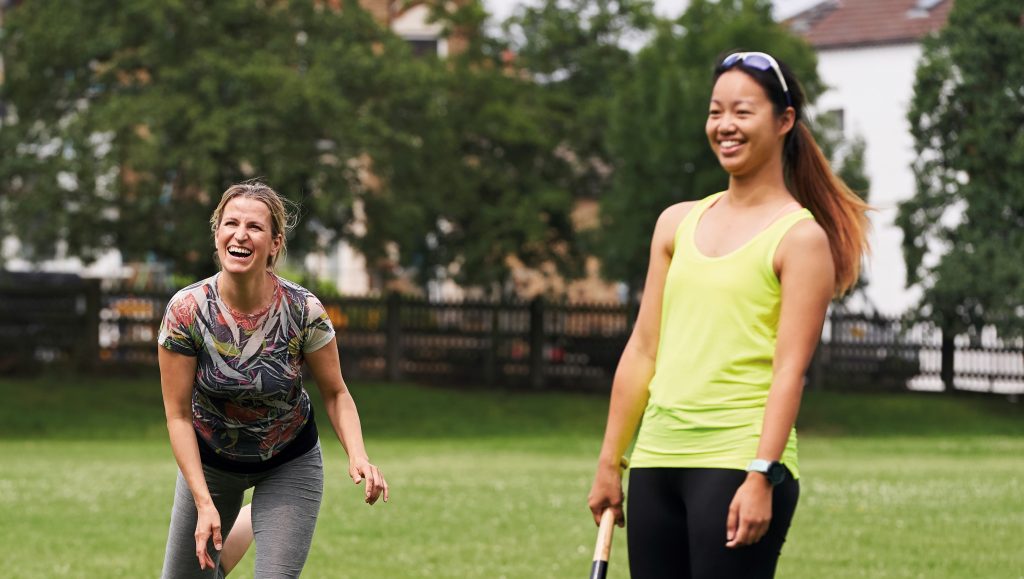
“We don’t have to do things the same way”
Tackling physical inactivity through sport; an evaluation of the Move It AUS program The SPort & Recreation INTervention & Epidemiology Research (SPRINTER) group is a research partnership between the Prevention Research Collaboration, University of Sydney and the New South Wales Office of Sport. SPRINTER provides…
3–4 minutes -

Time, Training, Trust – making movement prescription an easier choice
Why aren’t more doctors prescribing physical activity? The World Health Organization ranks physical inactivity as the 4th leading risk factor for death worldwide. The need is greater than ever to integrate physical activity into all facets of healthcare. Physical activity can reverse or help manage…
3–5 minutes
ISPAH Network