 English
  العربية
  简体中文
简体中文  Français
  Deutsch (Sie)
  Русский
  Español
 -
Moving for the Planet: Physical Activity and the Environment
World Environment Day, 5 June 2026 Physical activity is one of the most powerful tools available for human health. Decades of evidence confirms that regular movement reduces the risk of cardiovascular disease, cancer, depression, and premature death. Yet as the climate crisis deepens, there is…
2–3 minutes -
How do New Zealand adolescents get around?
Understanding how environment shapes adolescents’ independence, physical activity, and travel choices What is it about? Active transport, such as walking, cycling, or other non-motorised ways of getting around, is one of the simplest and most effective ways for adolescents to stay active in daily life.…
3–4 minutes -
Promoting Walking and Cycling: A toolkit of Policy Options
Photo Credit: Gregore Iven Mielke New WHO resource aligns with ISPAH’s 8 Investments to promote walking and cycling through systems-based change What is it about? The World Health Organization (WHO) has released a new policy toolkit to help governments, city planners, and health professionals promote…
2–3 minutes -
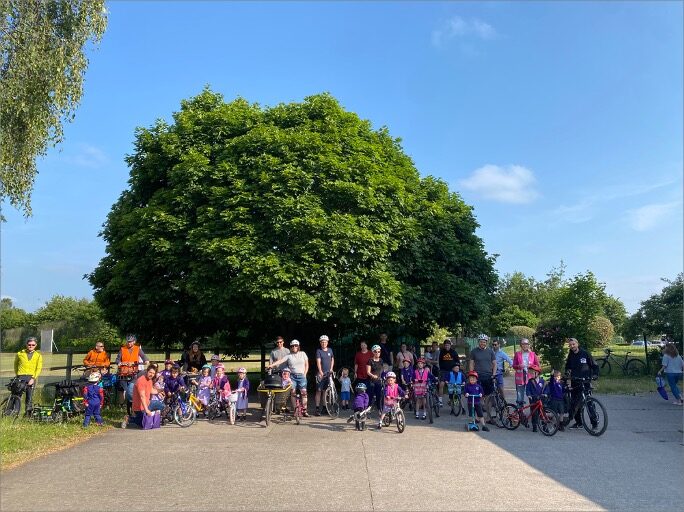
Bike Bus as Playful Independence
The movement developing children’s independence in a fun and playful way On International Day of Play, Kate Collier from Play Worcester in the UK reflects on how an active mobility practice is injecting playful time into children’s journey to school. ———– The amount of freedom…
3–5 minutes -
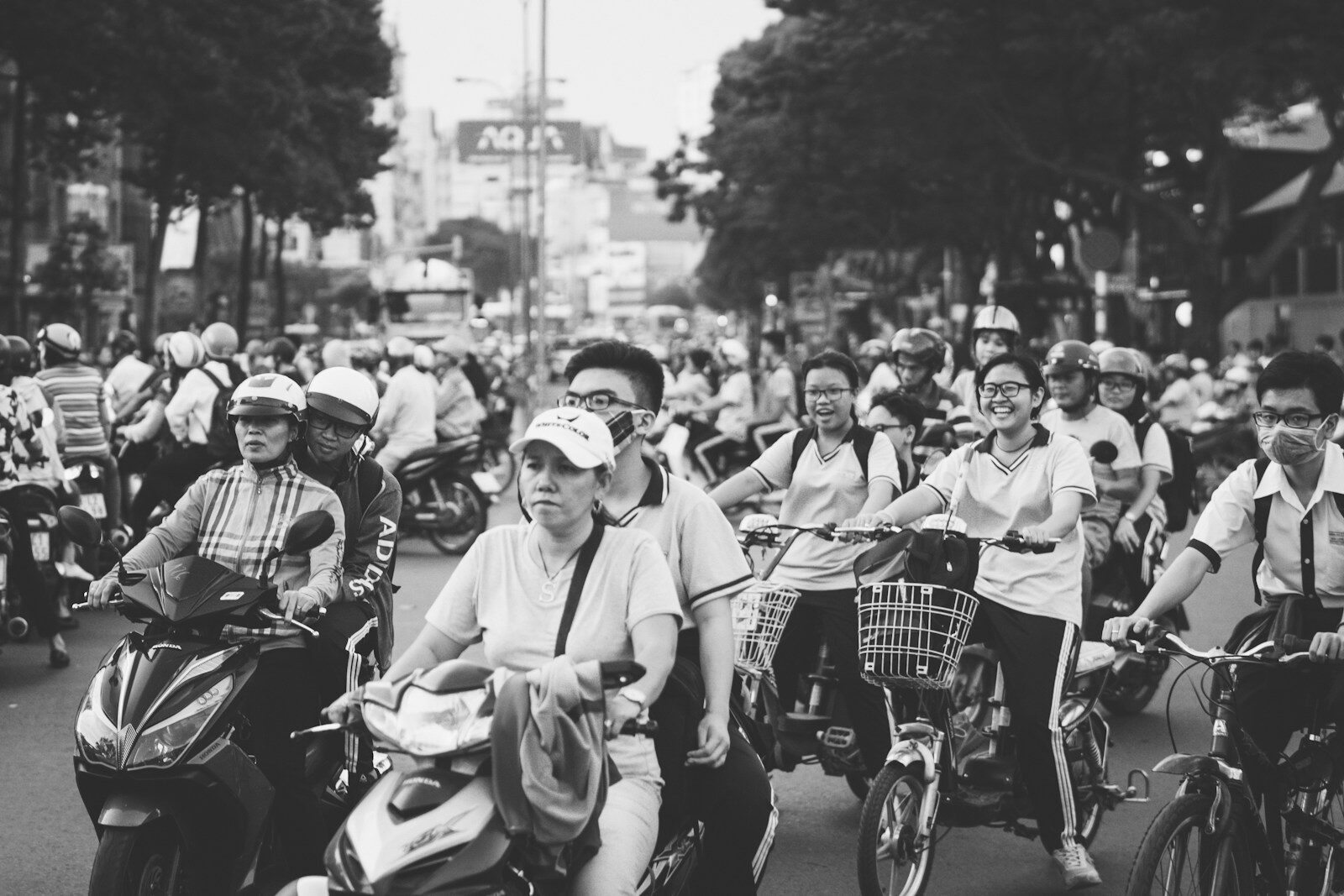
Pedal for Change: Celebrating World Bicycle Day
A global movement that highlights the power of bicycles for sustainability, health, and social impact. Why celebrate world bicycle day? Since its establishment in 2018, World Bicycle Day has been celebrated annually on June 3rd by cycling advocates around the globe. Spearheaded by the government…
3–4 minutes -

Increasing Older Adult Community Functional ‘Fit’ Through Active Urban Design
Understanding the relationship between local high streets and older adults’ physical activity There is an increasing older community population who are most at risk of isolation, loneliness and detrimental health outcomes in the United Kingdom. Despite older adults being frequently highlighted as a priority group…
2–4 minutes -
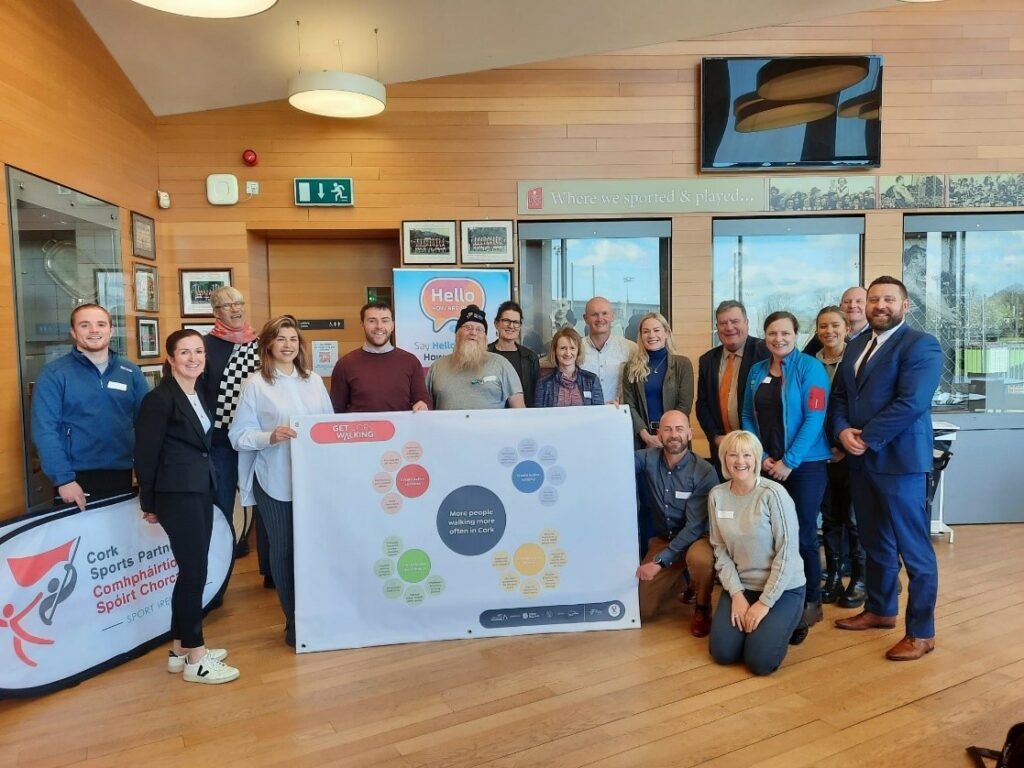
Get Ireland Walking! through a systems approach
Using systems science to understand and enhance walking promotion in Ireland Physical activity promotion in Ireland, and worldwide, is the ‘business of many but the responsibility of none’. Organisations from many sectors have a role to play yet the activities of one sector can’t be…
3–5 minutes -

Communities4Walkability: A citizen science project in rural Australia
Community members as citizen scientists identify environmental characteristics that influence walkability and active living in rural areas. People who live in places where it is easy to get around by walking – ‘walkable’ places – are more likely to be healthy and active than those…
3–5 minutes -
Every Step Counts: celebrating 20 years of success for 10,000 Steps Australia
Over 550,000 members and 285 billion steps later: Understanding the long-term implementation achievements of a community-wide eHealth intervention program. Like many countries globally Australia faces an inactivity crisis, with less than half the population meeting the National Physical Activity Recommendations. In 2001 the Queensland State…
3–5 minutes
ISPAH Network

Active Travel
Transport policies that support walking, cycling and public transport induce demand for active travel which has multiple co-benefits to the achievement of the sustainable development goals.