 English
  العربية
  简体中文
简体中文  Français
  Deutsch (Sie)
  Русский
  Español
 -
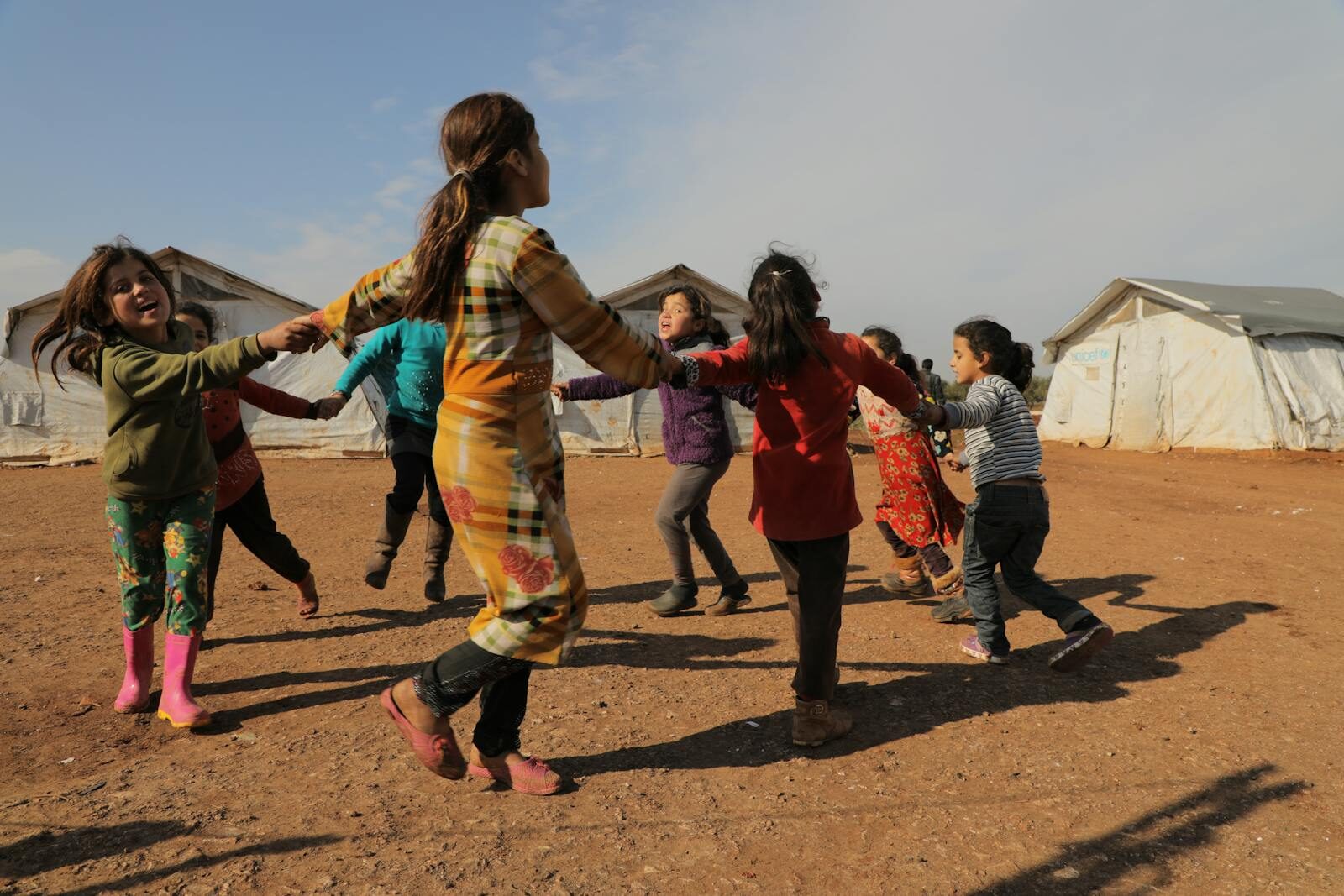
A child’s right to play: Why it’s everyone’s business
Parents, educators, and governments have a shared responsibility to protect a child’s right to play. From our earliest years, we’re encouraged to “learn through play” to explore, imagine, move, and connect. Yet beyond this familiar phrase lies something far more important. When children engage in…
3–5 minutes -
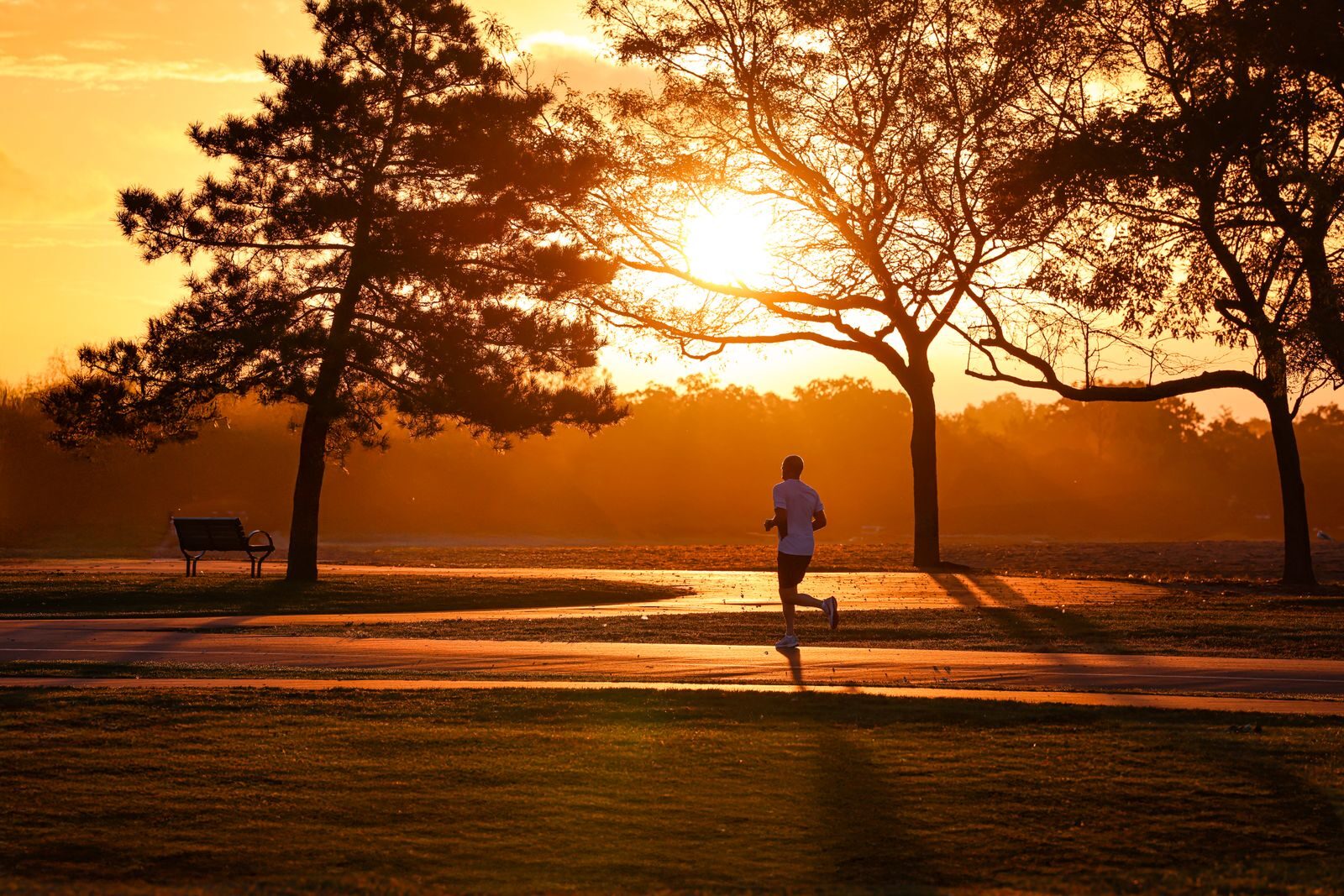
Moving for the Planet: Physical Activity and the Environment
World Environment Day, 5 June 2026 Physical activity is one of the most powerful tools available for human health. Decades of evidence confirms that regular movement reduces the risk of cardiovascular disease, cancer, depression, and premature death. Yet as the climate crisis deepens, there is…
2–3 minutes -
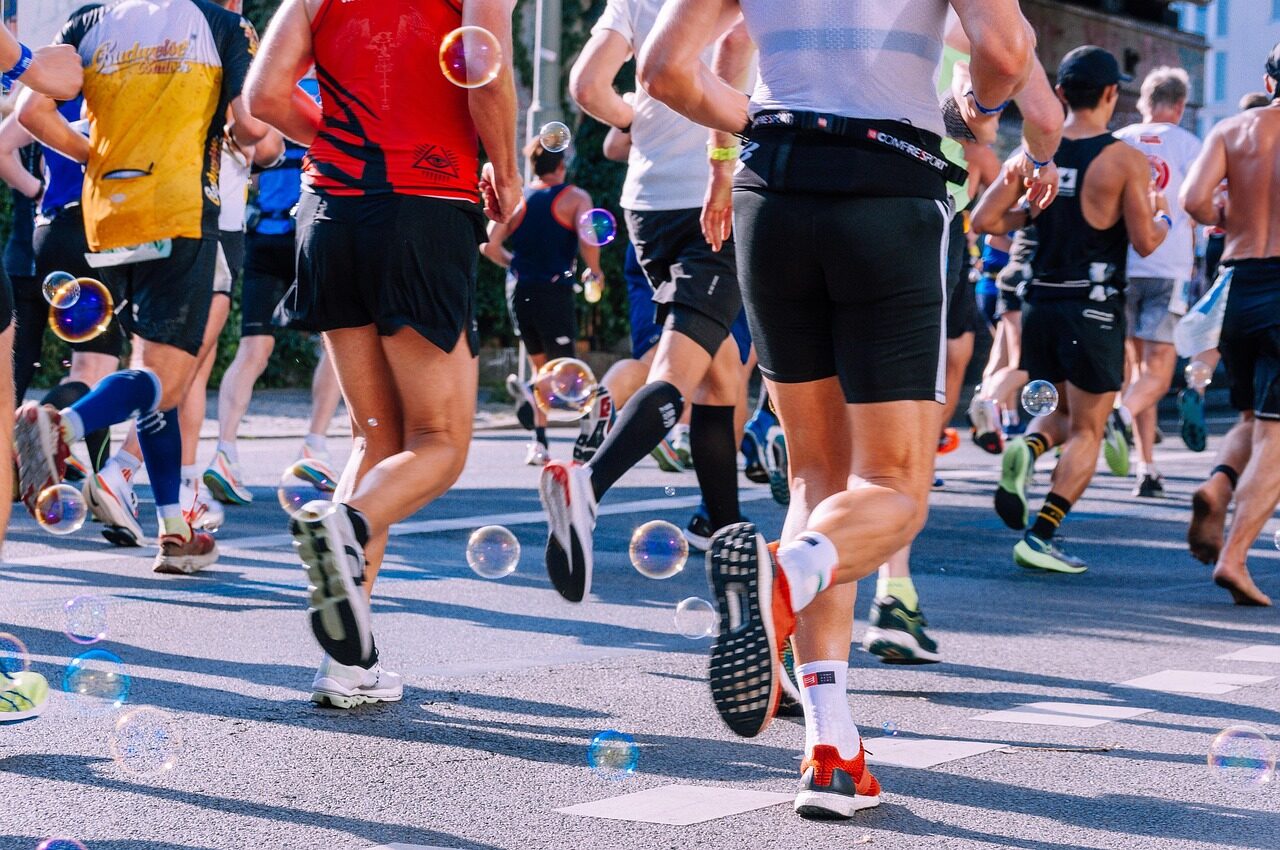
Running’s Third Boom: Who Gets to Join In?
Running is growing, but we must ask who has access to safe, welcoming, and meaningful ways to take part? On this Global Running Day, we find ourselves in the middle of what some have called running’s ‘third boom.’ Major races are seeing extraordinary demand, marathon…
3–5 minutes -
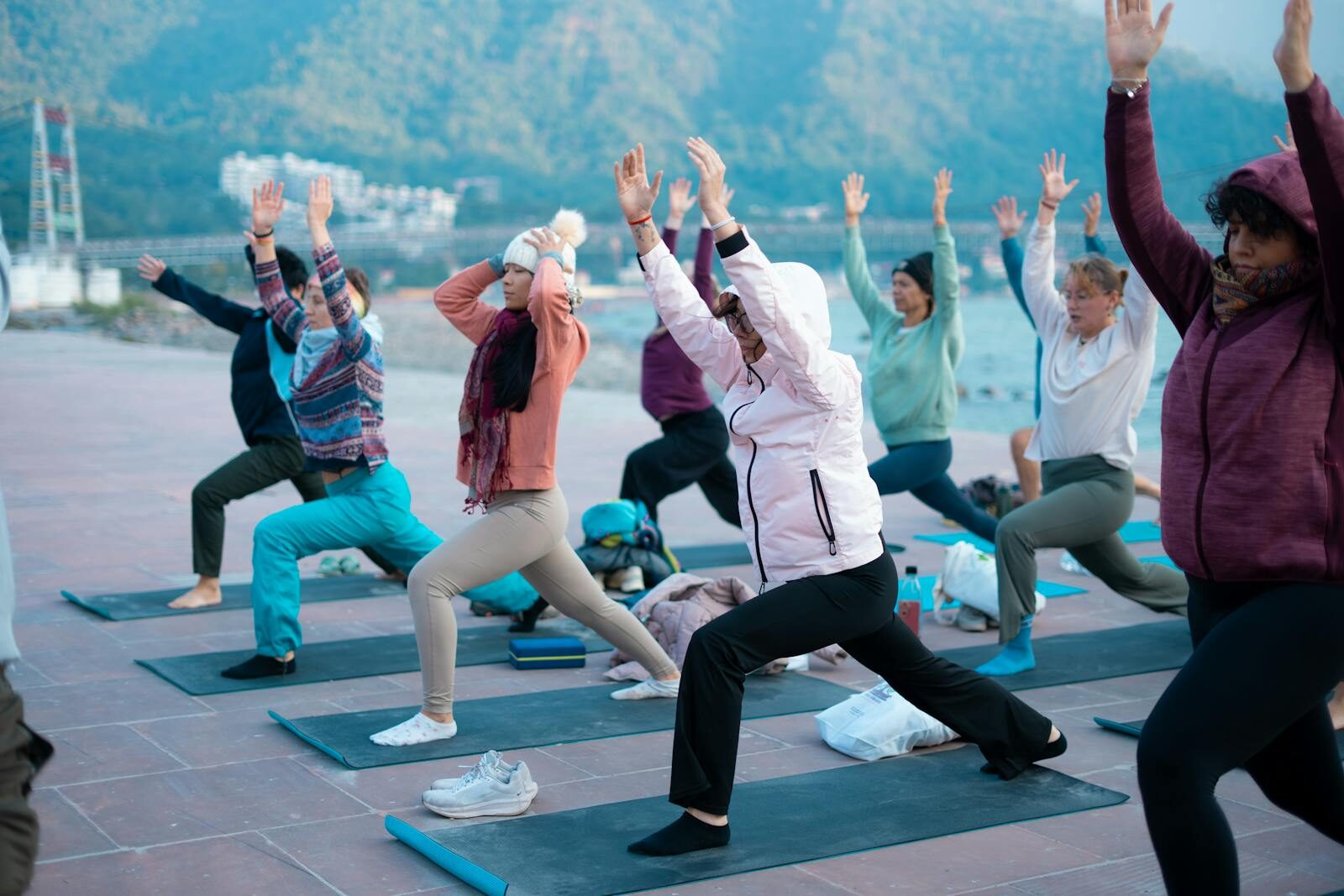
How Can We Keep the World Active?
Global Experts Share What Works In a webinar hosted by the ISPAH Capacity Building Committee, global experts came together to discuss how to get more people moving. The webinar was facilitated by ISPAH Board members Professor Mark Stoutenberg (Durham University) and Dr Jessica Bourne (University…
2–4 minutes -
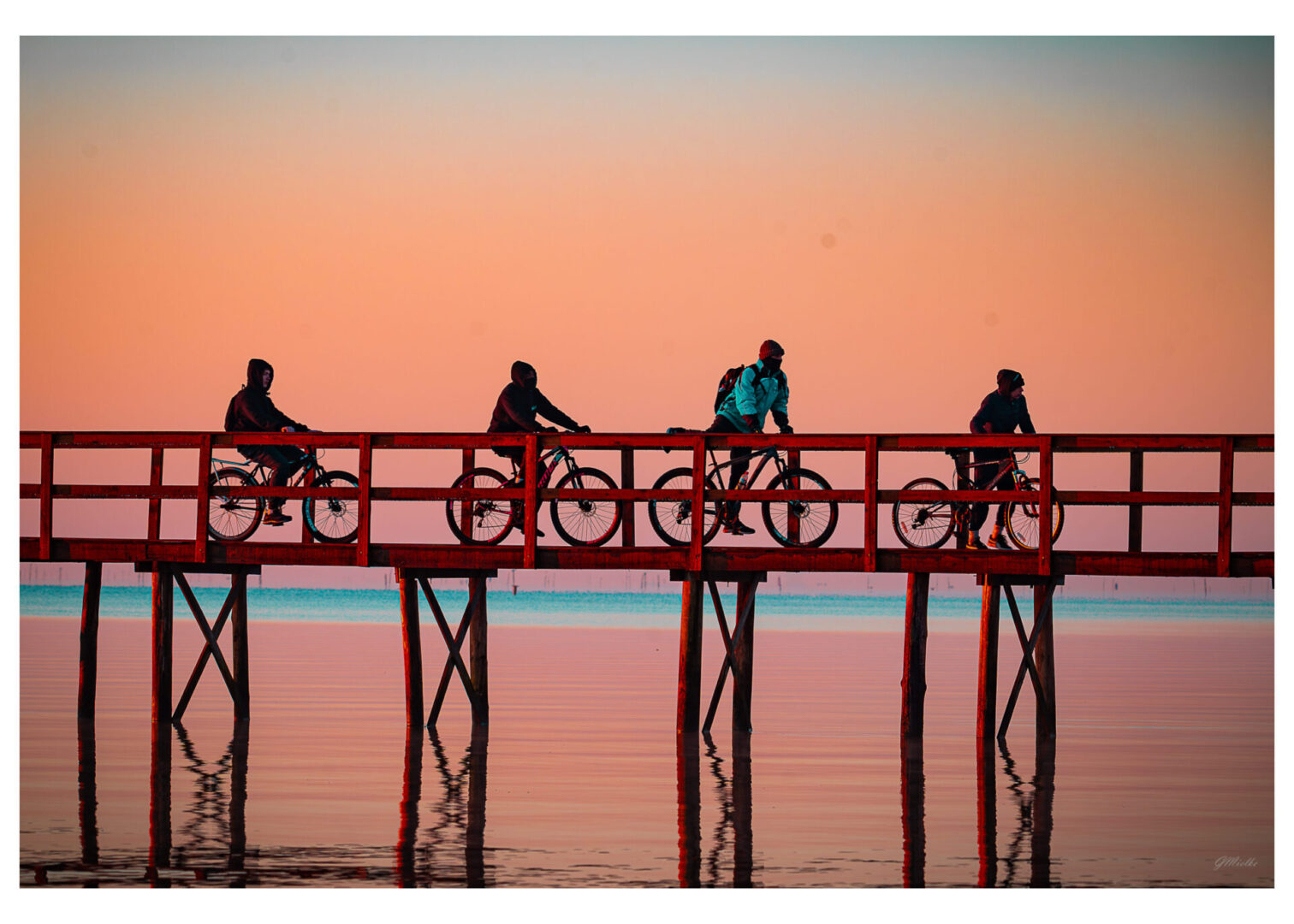
Promoting Walking and Cycling: A toolkit of Policy Options
Photo Credit: Gregore Iven Mielke New WHO resource aligns with ISPAH’s 8 Investments to promote walking and cycling through systems-based change What is it about? The World Health Organization (WHO) has released a new policy toolkit to help governments, city planners, and health professionals promote…
2–3 minutes -
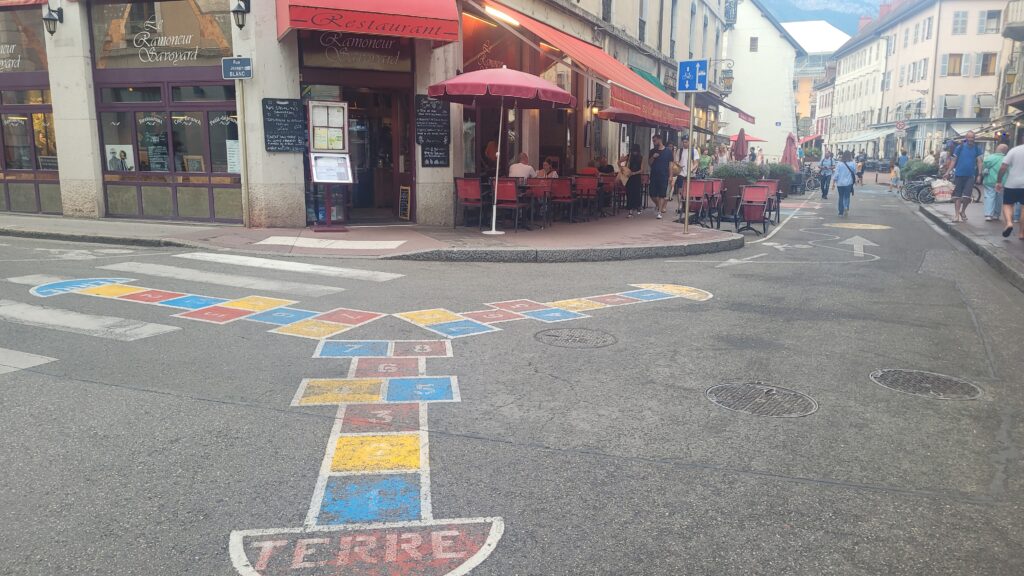
Taking to the streets – Every day should be a play day
ISPAH member Dr. Deirdre Harrington and colleague from the University of Strathclyde, Dr. James Bonner, visited Amsterdam in June 2024 as part of a wider inter-disciplinary active mobility project being run between the Rhins of Galloway (Scotland) and the Rhine long-distance cycle route. Their visit…
4–5 minutes -
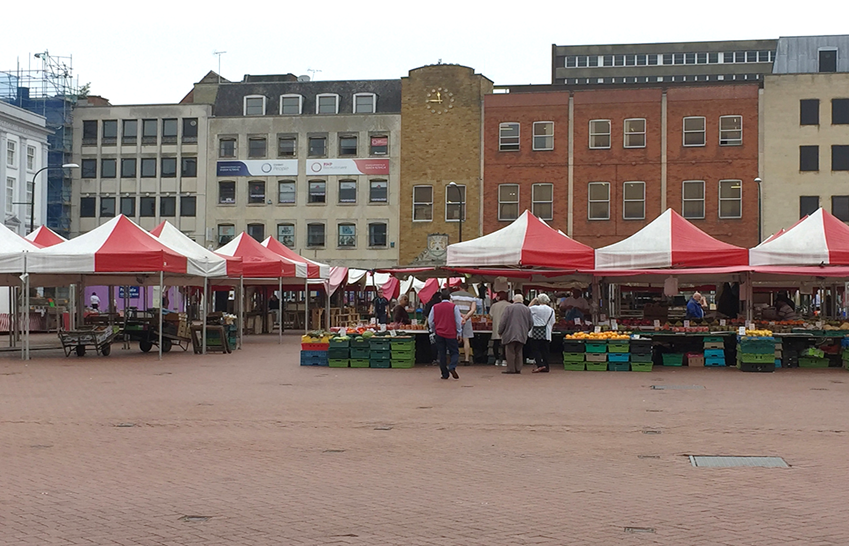
Increasing Older Adult Community Functional ‘Fit’ Through Active Urban Design
Understanding the relationship between local high streets and older adults’ physical activity There is an increasing older community population who are most at risk of isolation, loneliness and detrimental health outcomes in the United Kingdom. Despite older adults being frequently highlighted as a priority group…
2–4 minutes -
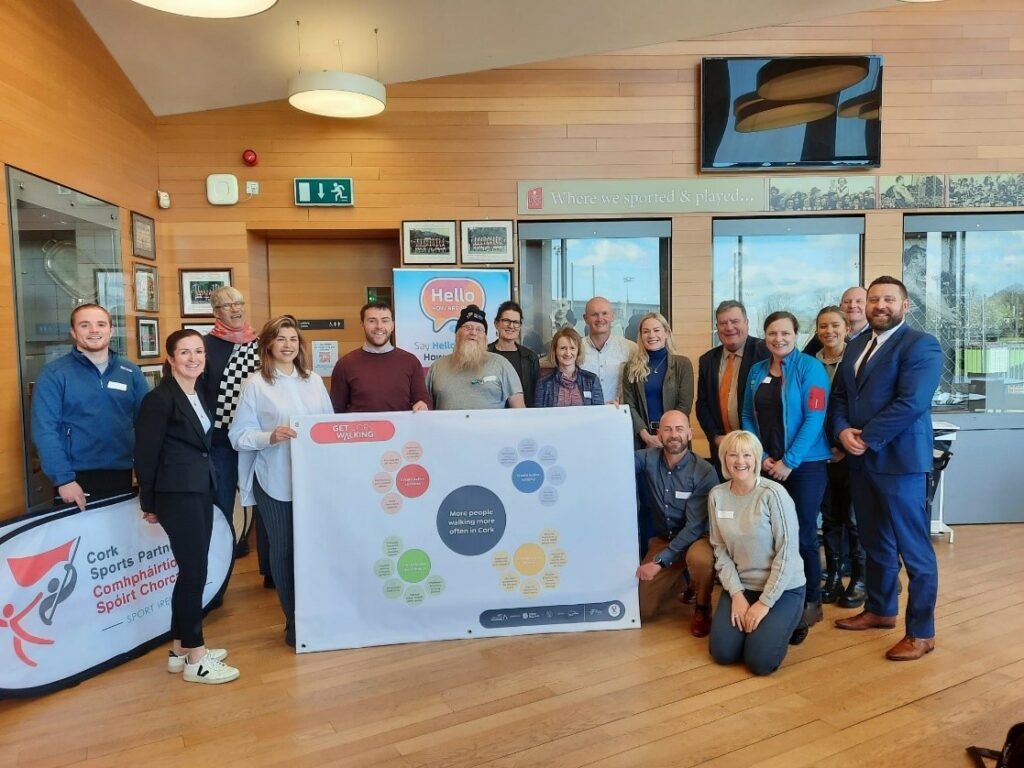
Get Ireland Walking! through a systems approach
Using systems science to understand and enhance walking promotion in Ireland Physical activity promotion in Ireland, and worldwide, is the ‘business of many but the responsibility of none’. Organisations from many sectors have a role to play yet the activities of one sector can’t be…
3–5 minutes -

Communities4Walkability: A citizen science project in rural Australia
Community members as citizen scientists identify environmental characteristics that influence walkability and active living in rural areas. People who live in places where it is easy to get around by walking – ‘walkable’ places – are more likely to be healthy and active than those…
3–5 minutes -
Collaborative working to increase walking in local parks
Academics work with local stakeholders to enhance a community asset in a deprived area of a UK town Delapré Park is a 550-acre urban park in Northampton in the East Midlands region of the United Kingdom that has been the location for local partnership working…
4–6 minutes -
Every Step Counts: celebrating 20 years of success for 10,000 Steps Australia
Over 550,000 members and 285 billion steps later: Understanding the long-term implementation achievements of a community-wide eHealth intervention program. Like many countries globally Australia faces an inactivity crisis, with less than half the population meeting the National Physical Activity Recommendations. In 2001 the Queensland State…
3–5 minutes
ISPAH Network

Active Urban Design
Policies that support equitable access to parks, local amenities and better walking, cycling and public transportation infrastructure make being active more appealing.