English
  العربية
  简体中文
简体中文  Français
  Deutsch (Sie)
  Русский
  Español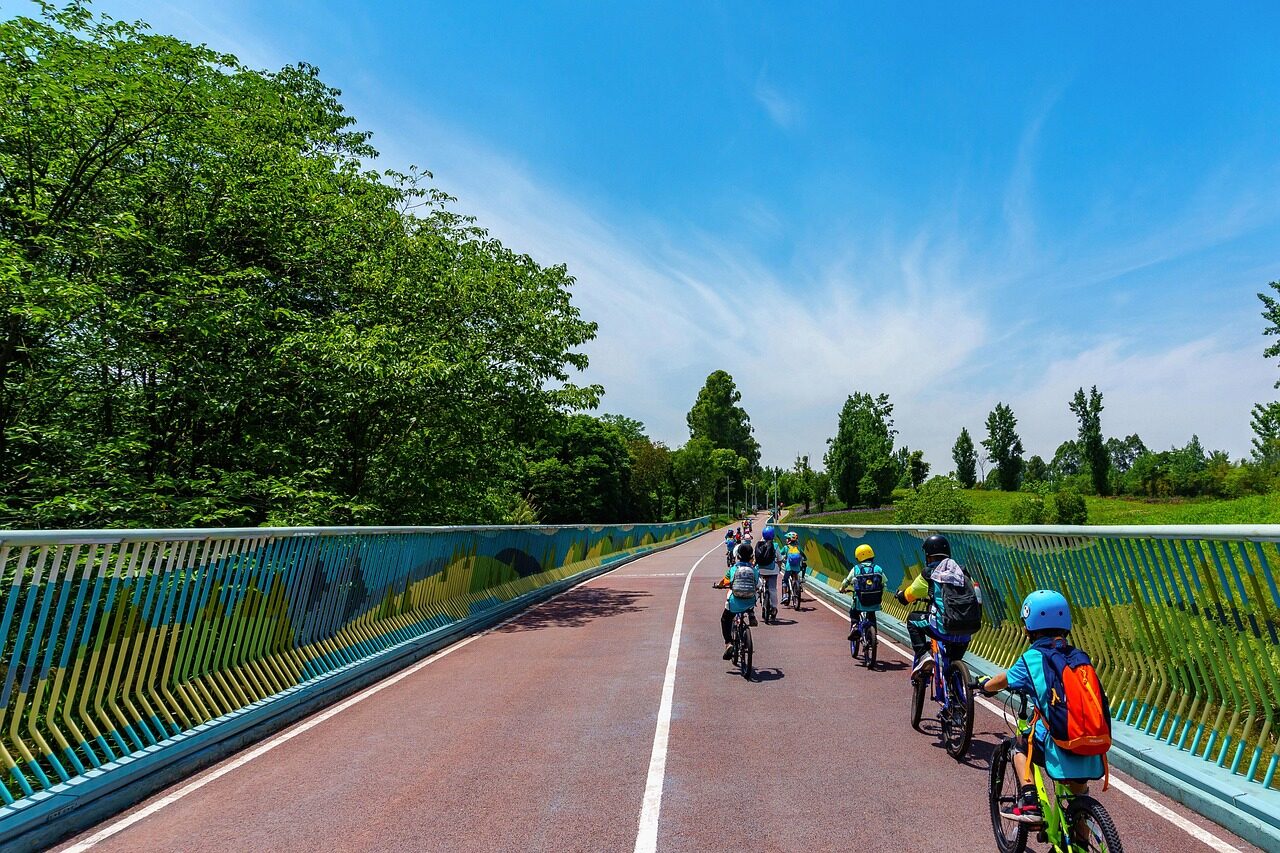
Understanding how environment shapes adolescents’ independence, physical activity, and travel choices
What is it about?
Active transport, such as walking, cycling, or other non-motorised ways of getting around, is one of the simplest and most effective ways for adolescents to stay active in daily life. Yet in New Zealand, the car remains the dominant mode of travel.
👉 Adolescence typically refers to the life stage between the ages of around 10 and 19 years
According to the 2023/24 New Zealand Health Survey, around 38.8% of young people aged 5–14 years use active transport such as walking or cycling to and from school. Older participants within this range (10–14 years), representing early adolescence, are more likely to use active modes than younger children. However, the proportion of those walking or cycling to school has not significantly increased since 2011/12.
Distance to school remains a key determinant of active travel. Adolescents attending their nearest school are much more likely to walk or cycle compared to those attending a non-closest school. Experts recommend better urban planning, improved safety infrastructure, supportive school zoning policies, and awareness campaigns to encourage active transport among youth.
In a 2022 global report on active transport to school, New Zealand received a “D” grade, with only 31% of school-aged youth actively commuting. Safety concerns, traffic dominance, and car-oriented social norms remain major barriers. Researchers emphasize the need for systemic changes that support safer environments, shifting the focus from individual choices to community and policy-level solutions.
Many people, especially in countries like New Zealand, live in rural or small urban areas, far from the urban centre. Understanding how these communities support healthier lifestyles is essential. The way adolescents travel to school, a friend’s house, or the local park largely depends on the features of their environment like distance, safety, and available infrastructure.
Although awareness about the importance of being active is growing, the car remains the most common way for New Zealand adolescents to get around. In smaller urban areas, cycling provides a more realistic alternative for active travel, while adolescents in rural regions often have the freedom to walk or cycle longer distances. This independence creates valuable opportunities for everyday physical activity and personal growth.
Why is it important?
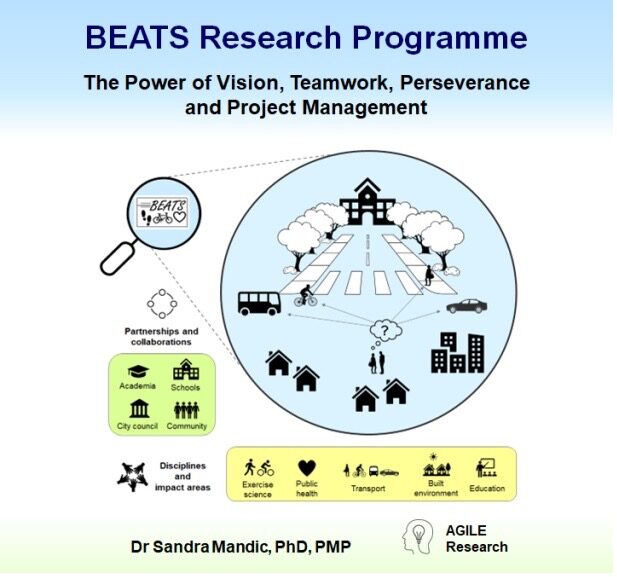
These findings are part of the New Zealand-based BEATS Research Programme (2013-2023), a decade long study that examined factors that influence how adolescents travel to school. The programme highlights that active transport is much more than a way of getting from one place to another, it’s an opportunity to build healthier, more independent, and more confident young people.
Adolescence who regularly walk or cycle tend to be more physically active overall and have better cardiovascular health.
Importantly, promoting active modes of transport also aligns with several of the United Nations Sustainable Development Goals, including Good Health and Well-being (SDG 3), Sustainable Cities and Communities (SDG 11), and Climate Action (SDG 13).
Take Home Messages:
- The car was the most frequent mode of travel to various destinations for adolescents in both urban and rural areas
- Cycling is more common in small urban and rural areas
- Adolescents living in rural areas were allowed to travel independently over longer distances on foot or by bicycle
- Supporting safe, accessible routes for walking and cycling can promote healthier, more autonomous, and more sustainable lifestyles for young people
Authored by:
Dr Francisco Javier,1 Dr Javier Molina-García,2,3 Dr Ana Queralt,2,3 Dr Palma Chillón,4 Dr Sandra Mandic5,6
1 La Inmaculada Teacher Training Centre, Sport and Health University Research Institute (iMUDS), University of Granada, Spain
2 AFIPS Research Group, Department of Teaching of Physical Education, Arts and Music, University of Valencia, Spain
3 Epidemiology and Environmental Health Joint Research Unit, FISABIO-UJI-UV, Valencia, Spain
4 Department of Physical Education and Sports, Faculty of Sport Sciences, Sport and Health University Research Institute (iMUDS), University of Granada
5 AGILE Research Ltd., New Zealand
6 School of Sport and Recreation, Faculty of Health and Environmental Sciences, Auckland University of Technology, New Zealand