English
  العربية
  简体中文
简体中文  Français
  Deutsch (Sie)
  Русский
  Español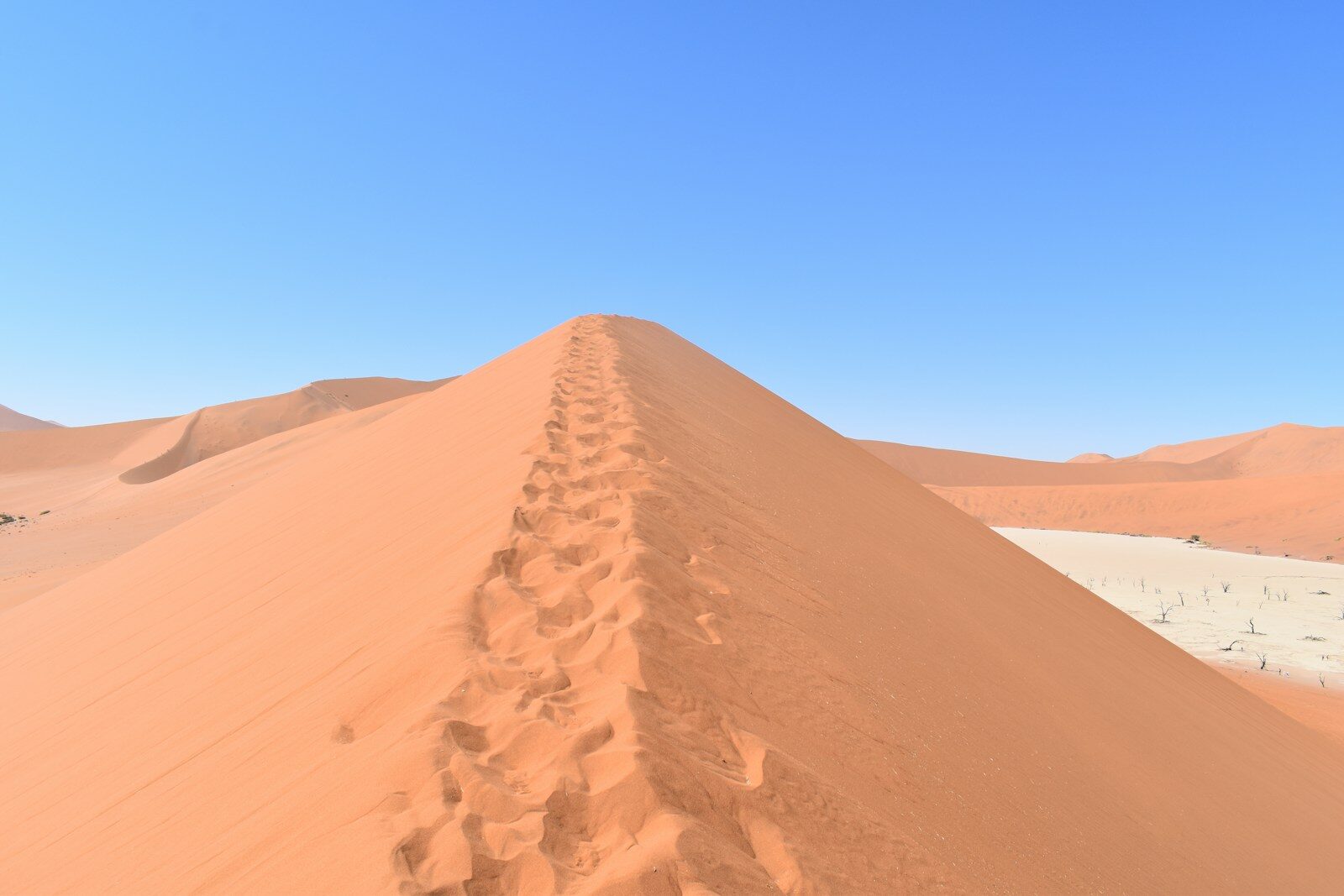
Traditional Emirati walking routes transformed into accessible physical activity programs for older adults with remarkable health outcomes
What is it about?
As the sun rises over golden dunes, 63-year-old Fatima adjusts her hiking stick and smiles at her walking group. “I haven’t felt this strong in years,” she whispers. This captures our heritage-inspired desert walking initiative in the UAE, adapting traditional Emirati women’s routes into early-morning group walks for older adults.
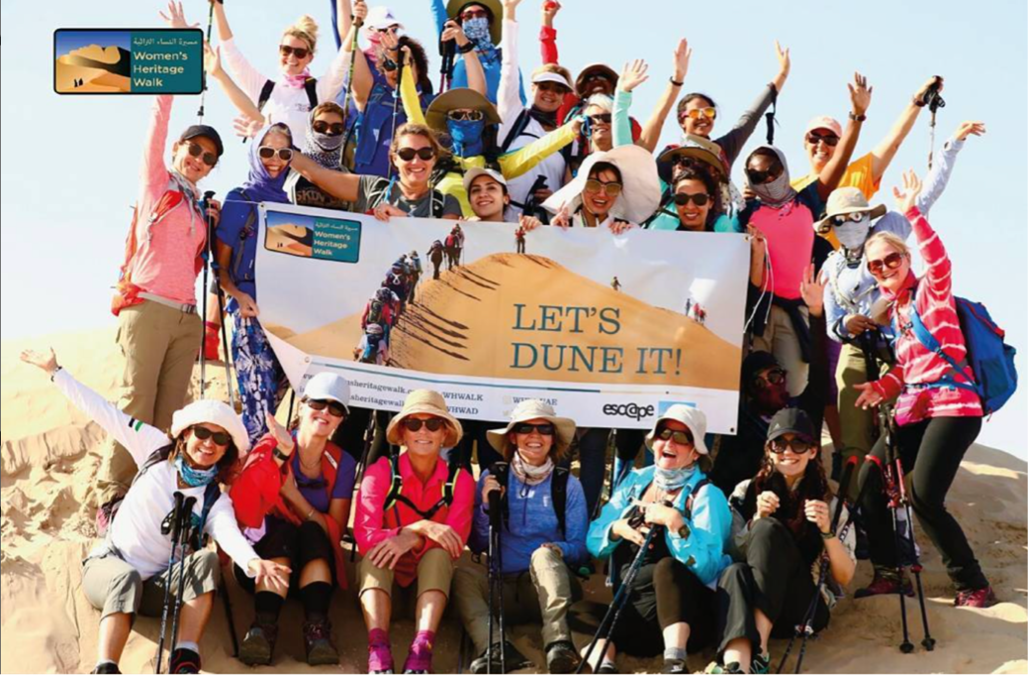
The program addressed unique challenges facing Middle Eastern seniors: extreme heat (45°C+), limited safe walking spaces, and cultural barriers to exercise. We organized weekly dawn desert walks (5:30-7:00 AM) along historical routes that Emirati women traditionally used for seasonal travel between communities. Desert walking offers benefits including improved cardiovascular fitness from sandy terrain, enhanced balance from uneven surfaces, and mental wellness from nature. These walks connected participants to UAE traditions by following an ancient path travelled twice yearly, offering perspective into Emirati culture’s sights, smells, sounds, tastes and experiences. I was inspired to create this program after completing a 5-day heritage walk from Al Ain to Abu Dhabi in 2017, learning about these traditions and experiencing the benefits of traditional Emirati walking practices.
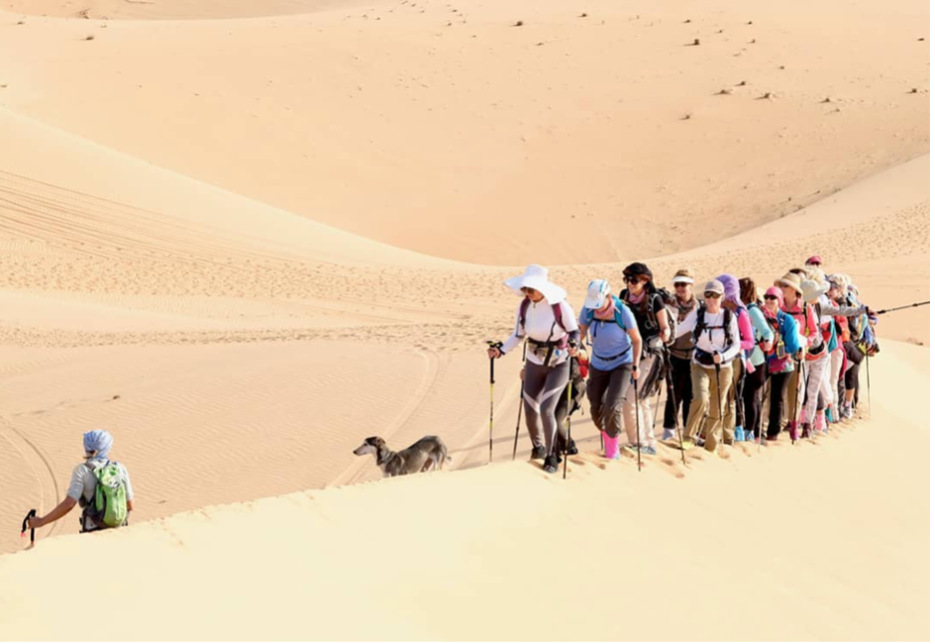
Key adaptations included:
- Hiking walking sticks for stability on uneven terrain
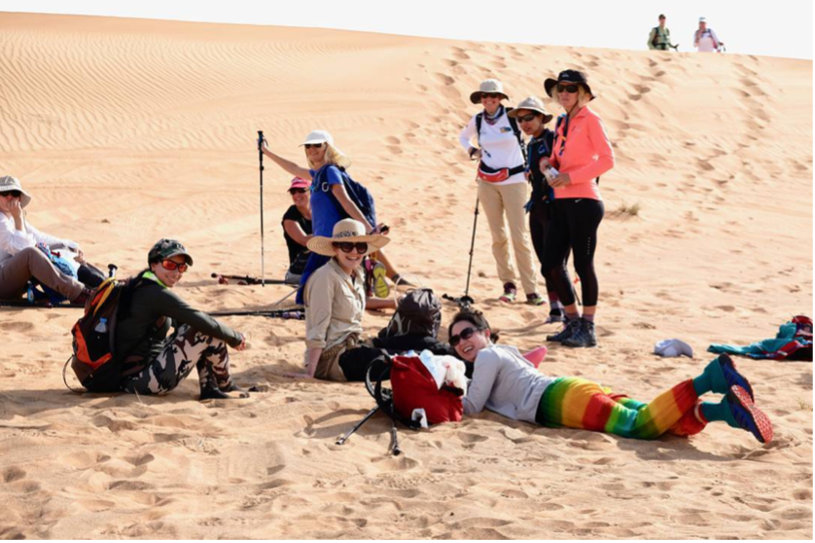
- Hydration stations and mobile shade structures
- Short, manageable routes (1-3km) with rest areas
- Cultural storytelling during breaks
- Multi-generational family participation
Why is it important?
By 2050, six MENA countries will have over 20% of their population aged 65+, while many others will see substantial ageing, intensifying healthcare challenges (Abyad, 2021). Our approach is unique because it:
Honors cultural heritage: Rather than imposing Western exercise models, we celebrated traditional practices, creating deeper engagement.
Proves scalability: This model can be adapted globally using local heritage walking traditions – from Mediterranean coastal routes to mountain shepherding paths.
Demonstrates lasting impact: 78% of participants continued regular walking routines three months post-program, showing sustainable change.
Results that matter
After eight weeks, participants reported:
- 78% felt more energized and physically mobile
- 40% increase in average walking distance
- 89% experienced improved mood and mental wellbeing
- Stronger family and community connections
- Amina, 65, who progressed from 500m to 2km walks, shared:
“This program gave me back my strength and my heritage. I remember my mother’s stories of these journeys – now I’m living them myself.”
Take home messages
- Cultural relevance drives engagement - Linking physical activity to heritage creates stronger motivation than standard fitness programs
- Environmental adaptation enables participation - Early timing, safety equipment, and route modifications made challenging terrain accessible for seniors
- Social connection amplifies benefits - Group walks reduced isolation and created supportive communities that encouraged continued participation
- Small interventions create lasting change - Simple adaptations to traditional practices can generate significant, sustained health improvements
Authored by: Bushra Ali MCIMSPA (Ch) MSc | London Sports Institute