English
  العربية
  简体中文
简体中文  Français
  Deutsch (Sie)
  Русский
  Español
 -
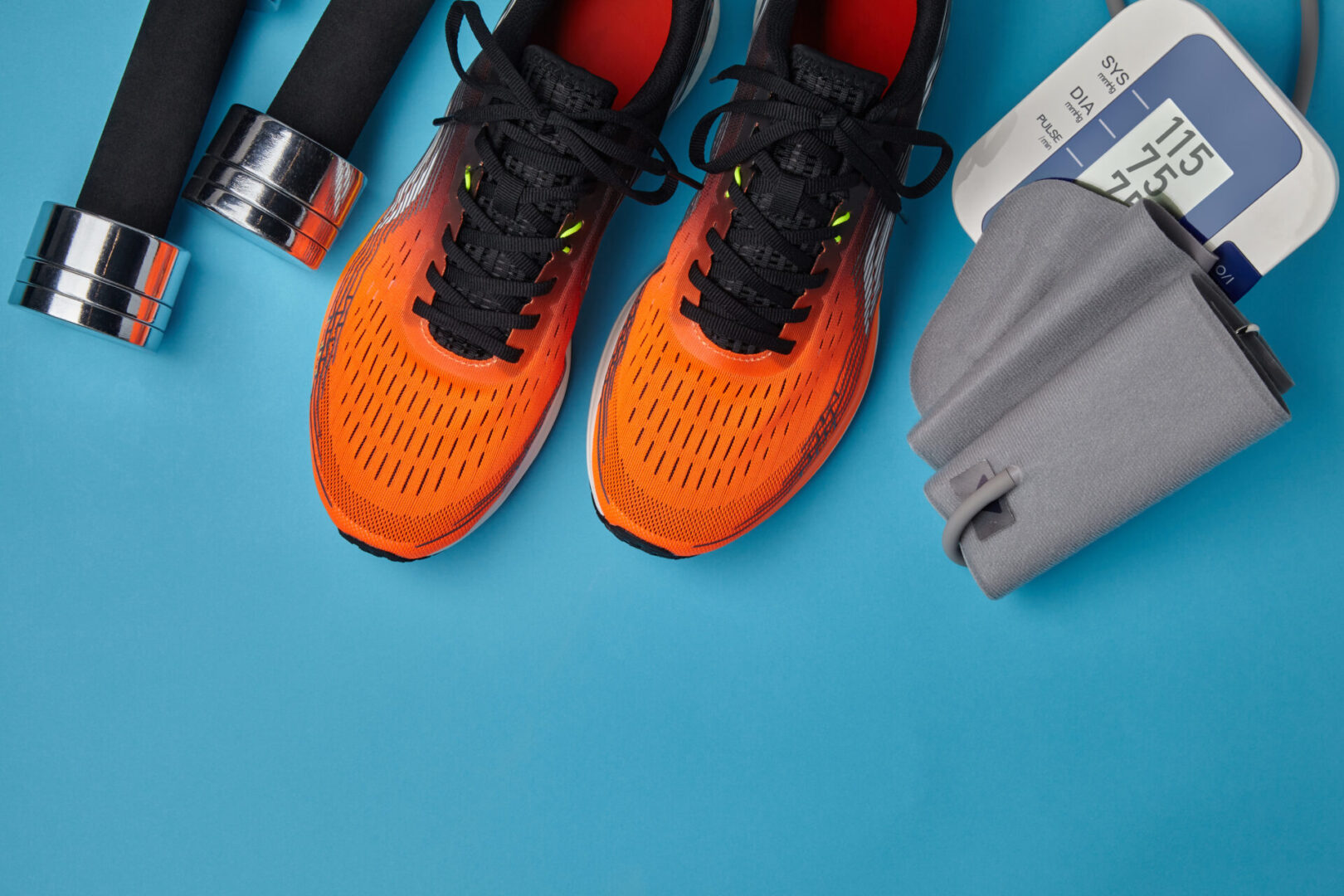
Don’t Miss a Beat: Mobilizing the Physical Activity Workforce to Address Hypertension
A call to action for physical activity leaders to help close the global hypertension care gap. Hypertension is one of the most preventable contributors to heart disease, and physical activity is one of the most powerful tools we have to address it. Yet globally, physical…
4–6 minutes -
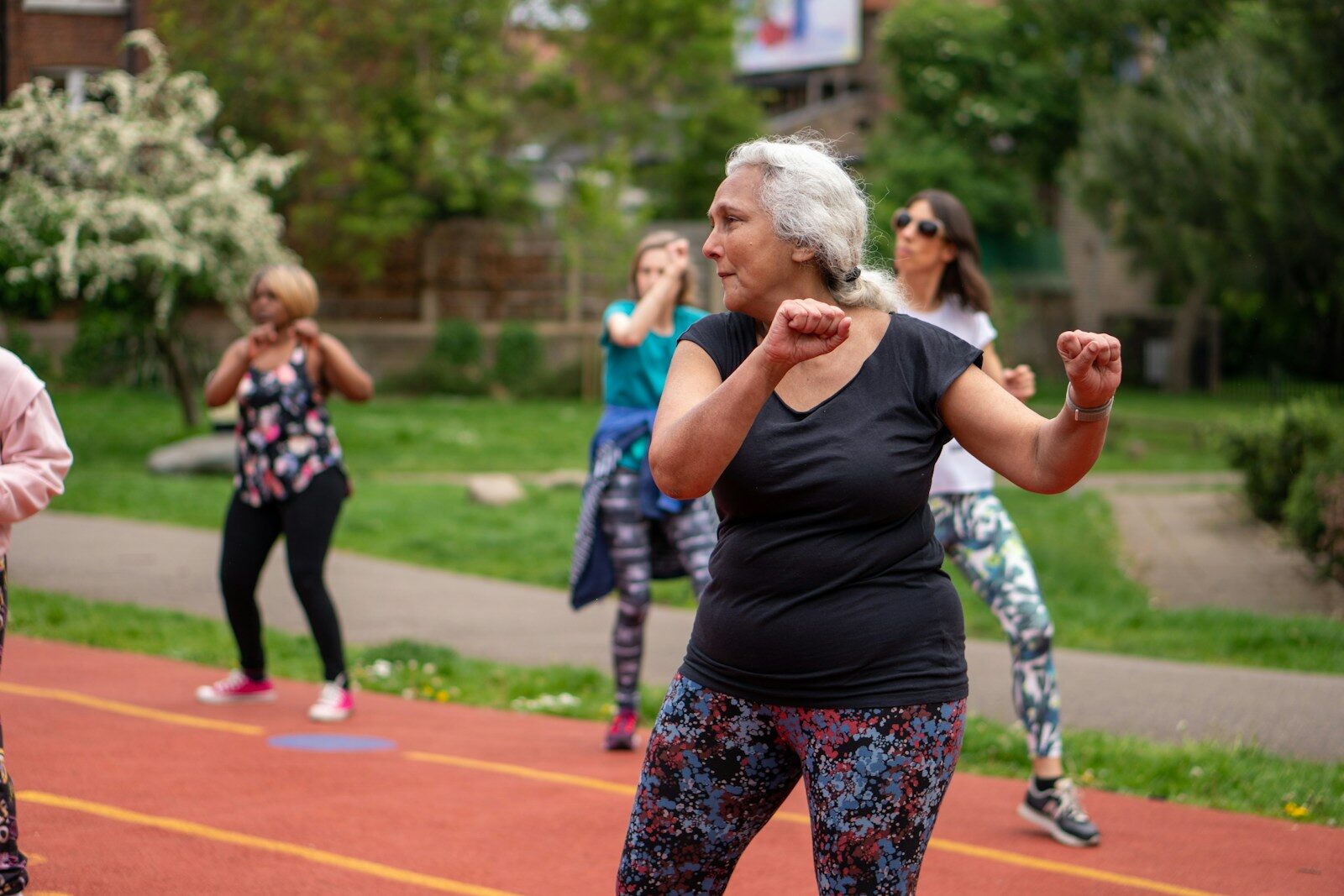
Engaging older adults in meaningful physical activity: It’s a balancing act!
Physical activity is essential for maximising health, wellbeing and independence in older age – even small amounts help, and balance-focused exercise is especially effective for preventing falls. Yet many older adults struggle to stay active, and broad participation remains a challenge. So how can we…
5–8 minutes -
The Around the Clock Terminology Consortium
A global consensus on terminology to discuss the 24-hour cycle of physical activity, sedentary behaviour, and sleep.
7–11 minutes -
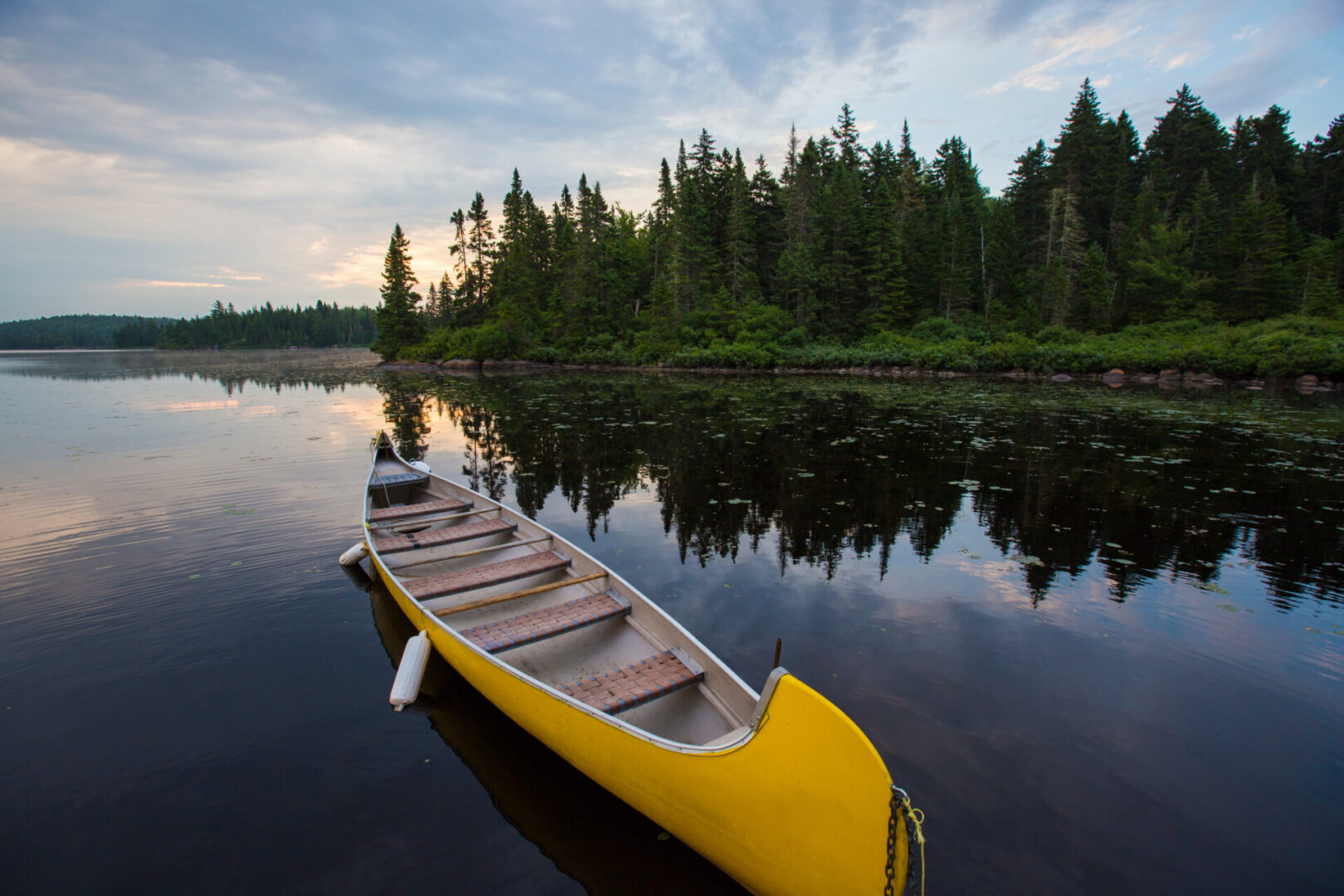
Honouring Indigenous Youth Through Land and Water Wellness
This World Indigenous Peoples Day, celebrate culture-driven physical activity that is community-led What is it about? Indigenous Peoples are the leaders of wholistic health and well-being by being active on the land and water. In celebration of World Indigenous Peoples Day, we share the ShQUooz…
2–3 minutes -
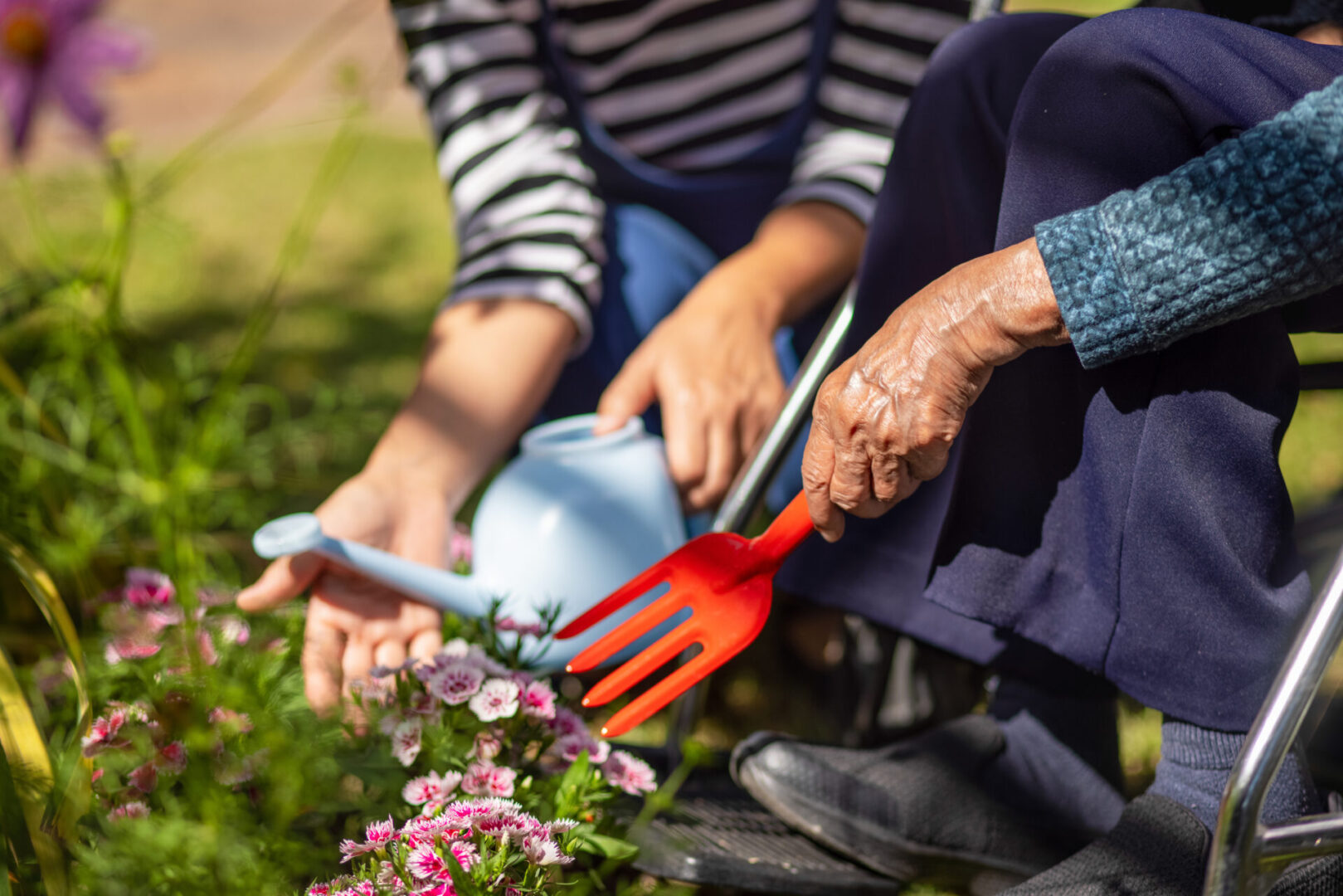
Movement Is Medicine: Ignite Health Through Everyday Activity
A roadmap of simple, research‑proven activities to prevent chronic disease and strengthen recovery for lifelong wellness. Why Movement Is Medicine Physical inactivity is one of the leading silent drivers of the global chronic disease burden. According to the World Health Organization it contributes to over…
2–3 minutes -
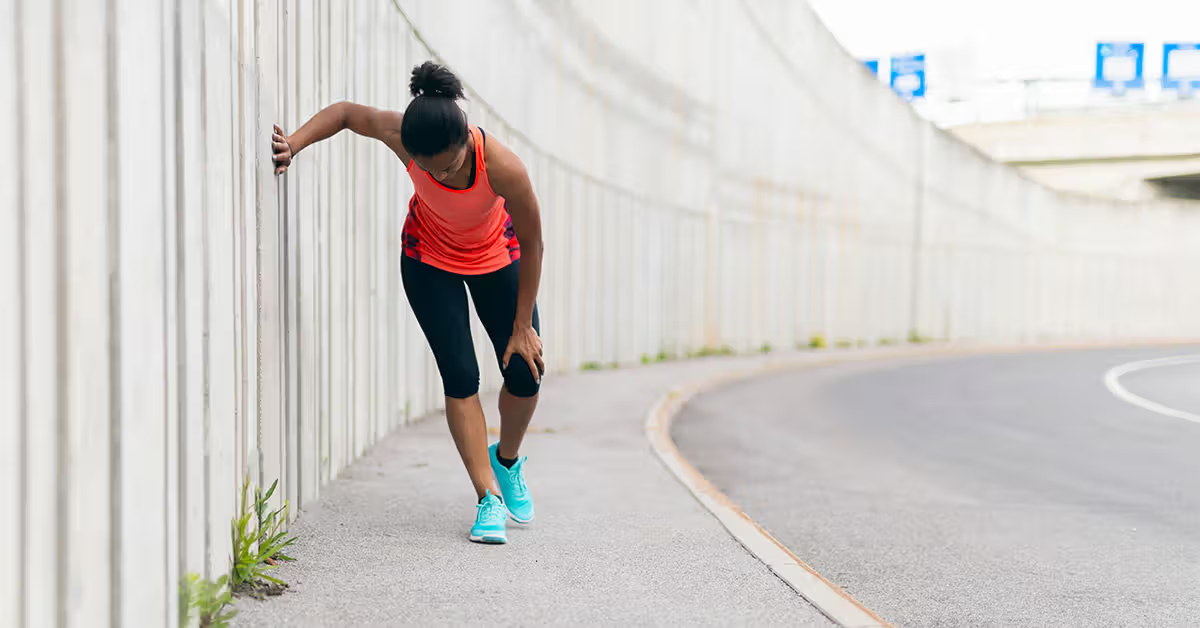
Complex systems to understand injuries in runners
What is it about? The health benefits of running are well established, but the high incidence of injuries remains an important challenge. How can we better address this issue? Running-related injuries (RRI) and current limitations RRI prevalence ranges from 10.9% to 74%, with direct and…
3–4 minutes -
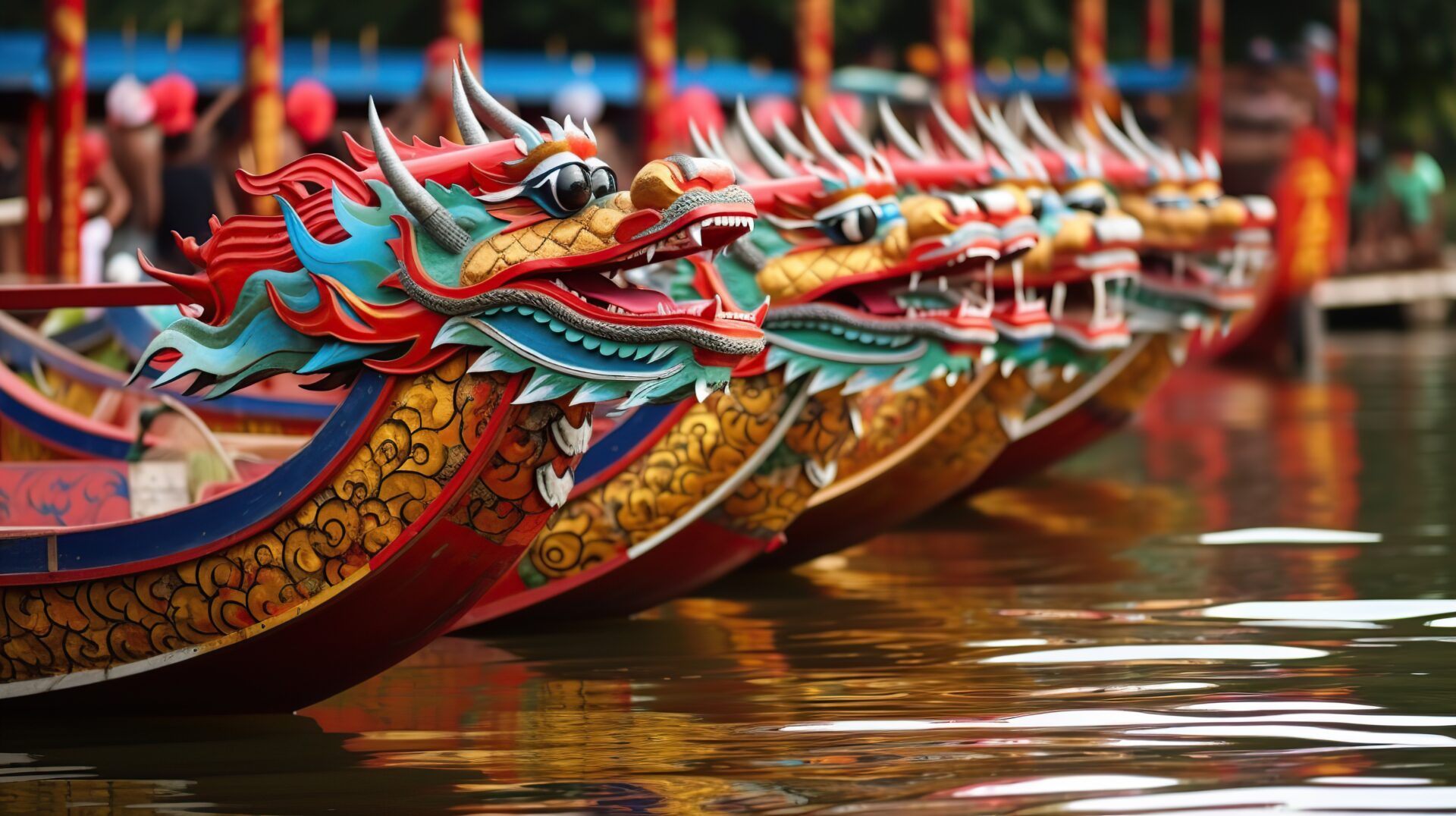
Women in Motion: Canoeing and Physical Teleconditioning after Breast Cancer
Hybrid University Extension Program promotes access to canoeing and online physical exercise for women after breast cancer What is it about? The Remama Program was established in 2013, as an initiative led by a physiatrist from the Cancer Institute of the state of São Paulo,…
3–5 minutes -
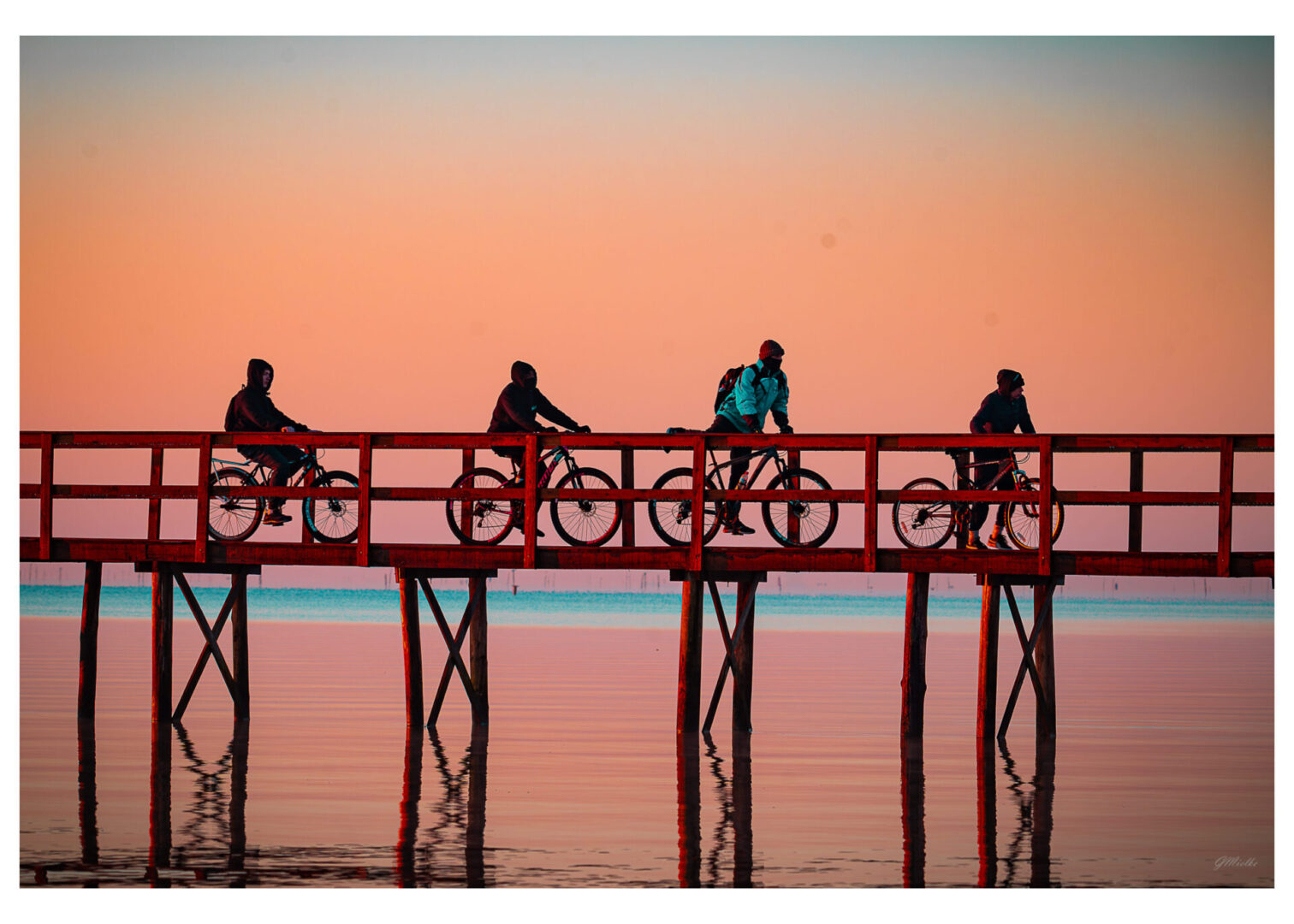
Promoting Walking and Cycling: A toolkit of Policy Options
Photo Credit: Gregore Iven Mielke New WHO resource aligns with ISPAH’s 8 Investments to promote walking and cycling through systems-based change What is it about? The World Health Organization (WHO) has released a new policy toolkit to help governments, city planners, and health professionals promote…
2–3 minutes -
Pharmacists’ contributions to physical activity promotion
What is it about? Physical activity (PA) plays a critical role in the management of type 2 diabetes (T2DM), contributing to improved glycemic control, reduced cardiovascular risk, and enhanced quality of life. Despite well-documented benefits, the influence of PA on T2DM progression and patient-related outcomes…
2–3 minutes -
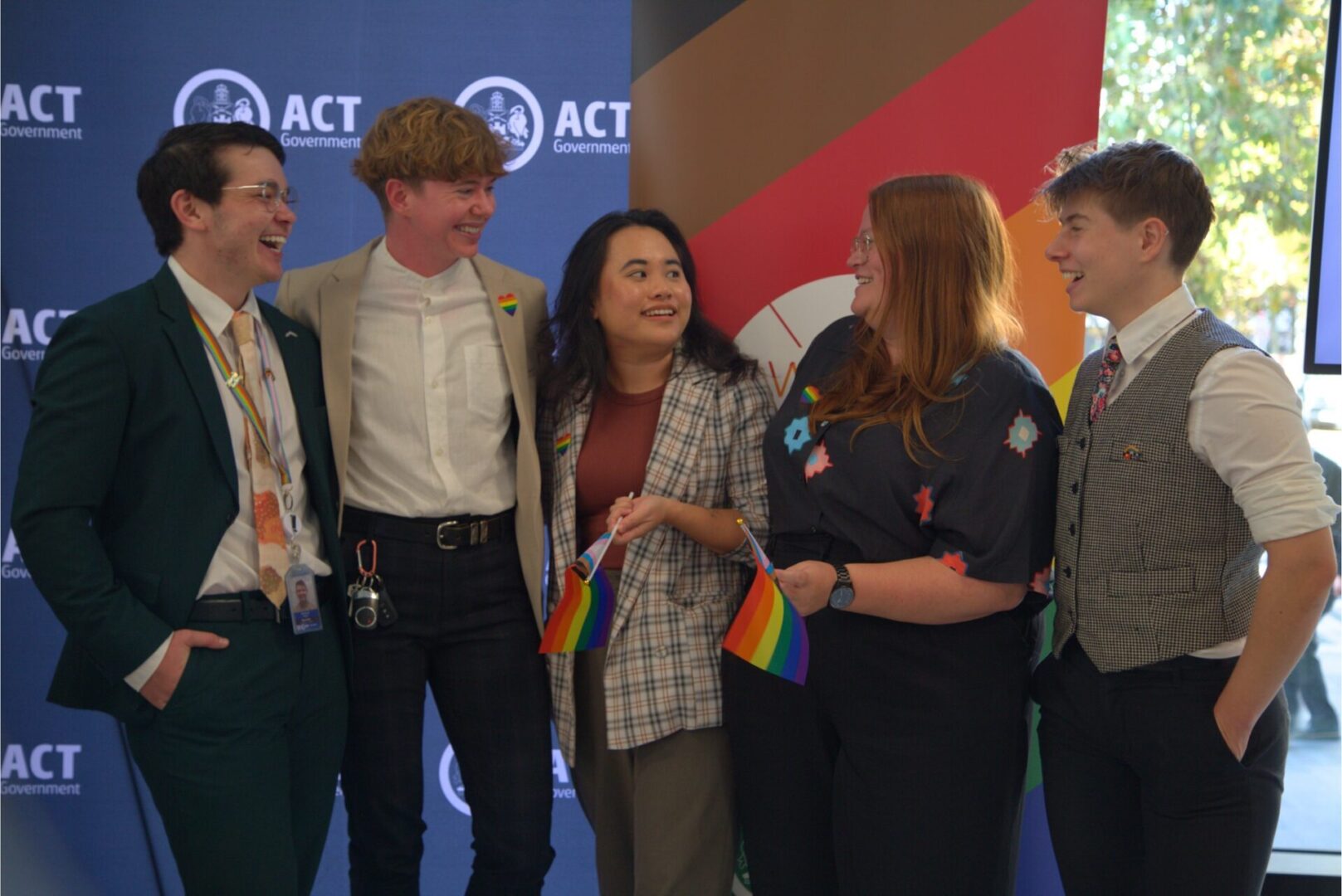
Queer Run CBR is more than just an LGBTIQA+ run club
Australian run club, Queer Run CBR, is a community where everyone, regardless of background and ability, can come together to move and connect. What is it about? In January 2024, Alex Lia founded Queer Run CBR, an LGBTIQA+ run club based in Canberra, Australia, to…
2–3 minutes -
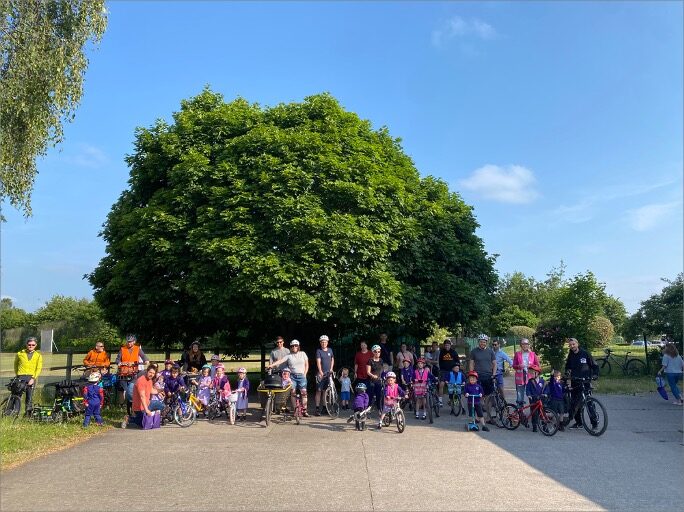
Bike Bus as Playful Independence
The movement developing children’s independence in a fun and playful way On International Day of Play, Kate Collier from Play Worcester in the UK reflects on how an active mobility practice is injecting playful time into children’s journey to school. ———– The amount of freedom…
3–5 minutes -
Running: A Global Movement for Health, Sustainability, and Social Cohesion
We are currently experiencing the third boom in running participation. Running has become one of the most popular physical activities worldwide, engaging millions of people across different age groups and countries. Participation rates range from 8.5% to 11.3% among adults across the Americas and the…
3–4 minutes
ISPAH Network