
Safety First
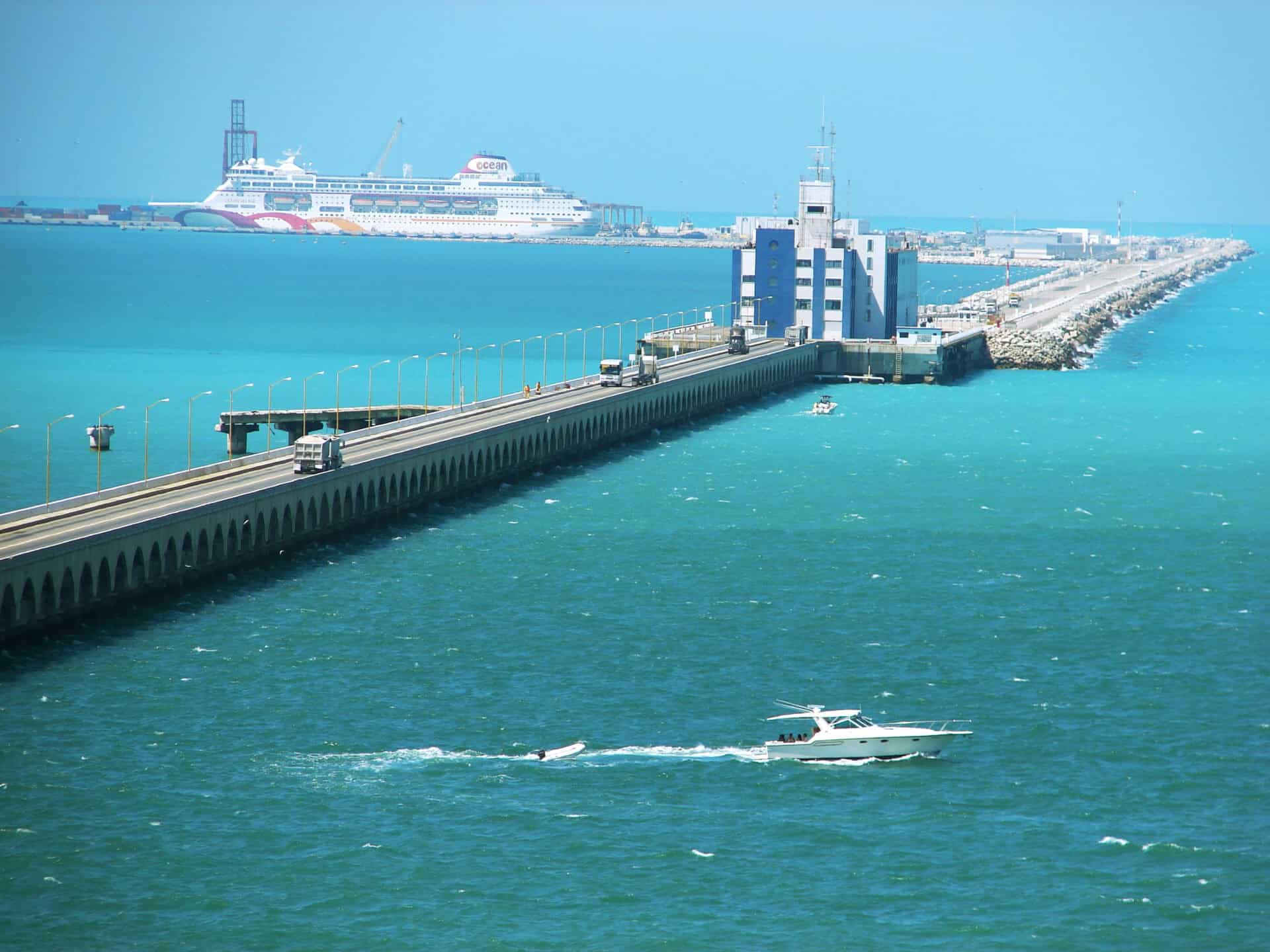
Mérida consistently ranks among the safest cities in the Americas, with safety indicators comparable to — and in many cases higher than — cities in Europe, Australia, the United States, and Canada. The U.S. State Department consistently rates the entire state of Yucatán at the same safety level as most U.S. and European cities.
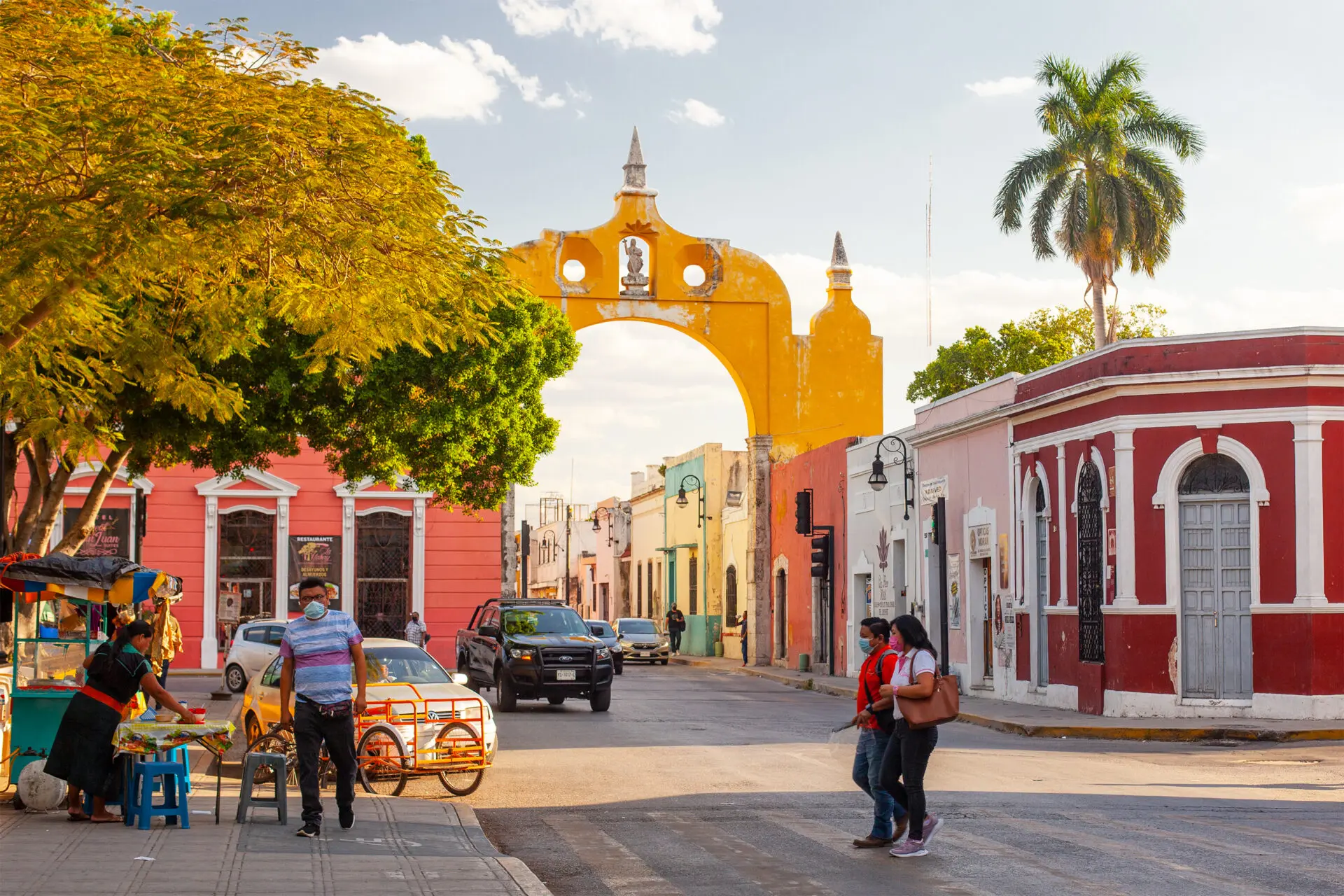
The city is widely known for its calm atmosphere, strong community life, and exceptional hospitality toward international visitors.
Getting to Mérida
Mérida is served by an international airport with direct flights to multiple cities in the United States, Central America, the Caribbean, and Europe. The congress venue (CIC Yucatán) is located 20 minutes from Mérida International Airport, within the vibrant Yucatán Congress District.
Important: Rideshare apps (e.g. Uber) are not authorised to operate at the airport. Use official airport, hotel, or city taxis when arriving and departing.
Getting Around Mérida
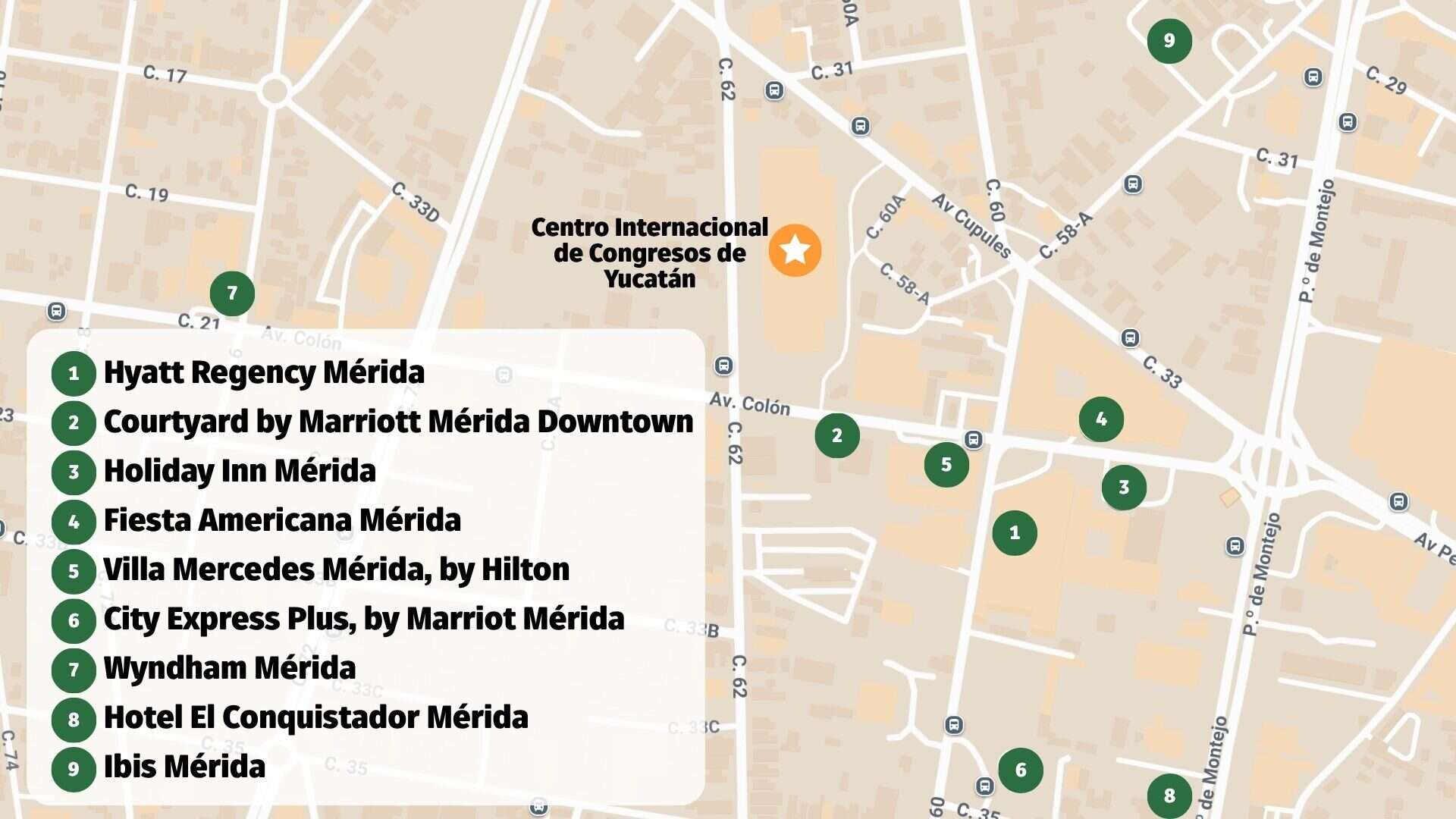
Mérida is an easy city to navigate. The historic colonial downtown is highly walkable, with wide pavements, pedestrianised areas, and most major attractions, restaurants, and hotels within comfortable walking distance of each other.
For longer journeys across the city, digital rideshare apps such as Uber are widely available, reliable, and very affordable by international standards. Traditional taxis are also plentiful and can be hailed on the street or arranged through your hotel.
Weather & What to Wear
October in Mérida is warm and humid. Light, breathable clothing is strongly recommended. Afternoon showers are possible but typically brief (one to two hours at most).
- A compact umbrella or light layer is useful for afternoon rain
- Bring comfortable walking shoes
- Use sunscreen and a hat, and stay well hydrated

Health
- Tap water is safe for showering but not recommended for drinking — use bottled or filtered water. Most hotels provide daily water bottles.
- Try local foods and street markets, applying standard hygiene caution.
- For any health need, look for Farmacias (pharmacies). Staff can assist with common ailments, many are open late or 24 hours, and many have an on-site general practitioner who can prescribe basic medications.
Language & Culture
Spanish is the primary language, but English is widely spoken in hotels, restaurants, and tourist areas. A few simple greetings go a long way:
- Buenos días — Good morning
- Buenas tardes / Buenas noches — Good afternoon / Good evening
- Por favor / Gracias — Please / Thank you
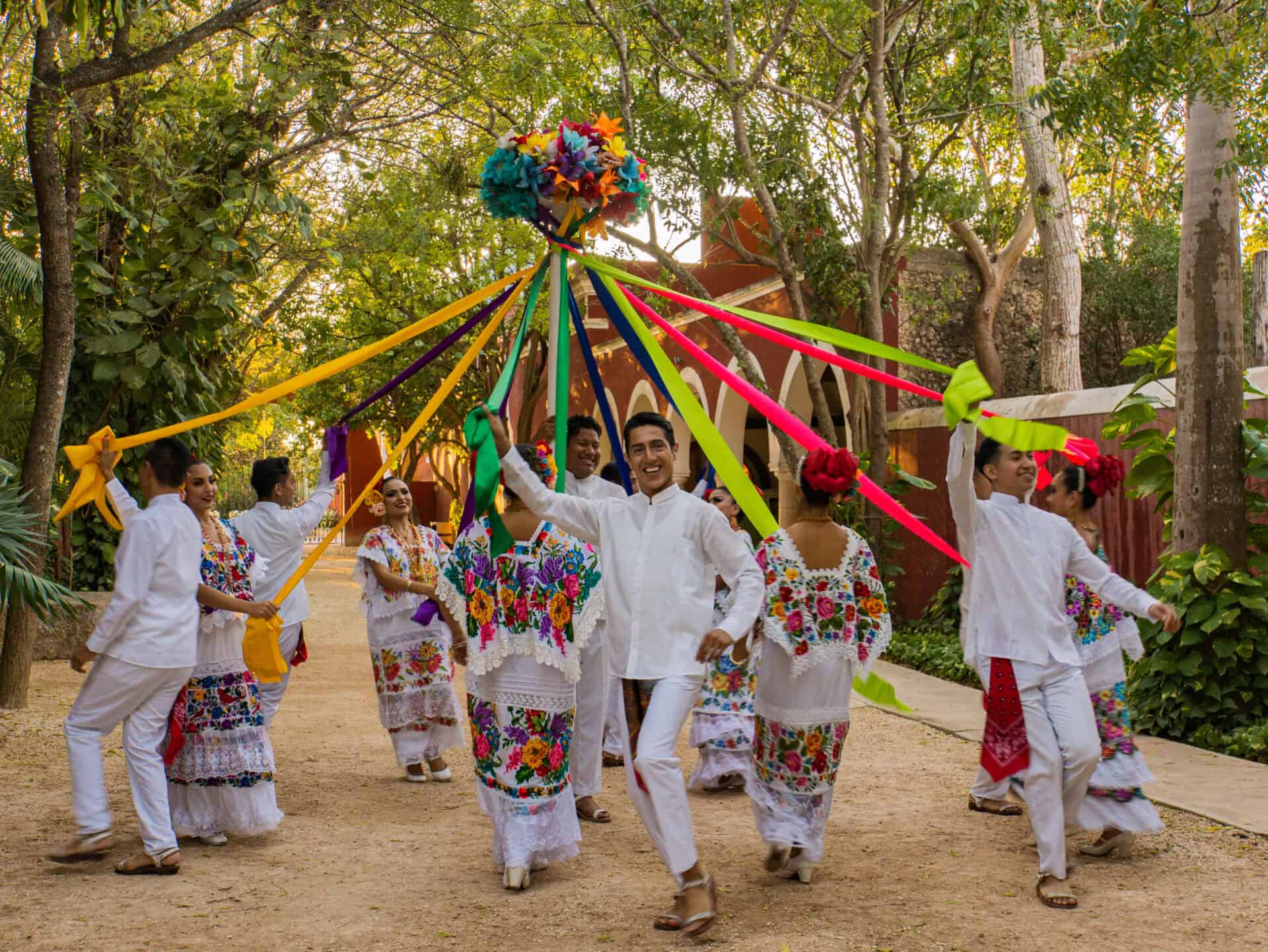
Courtesy and friendliness are highly valued. Music, food, and public life are central to daily culture, creating a warm environment for international guests.
Money & Currency
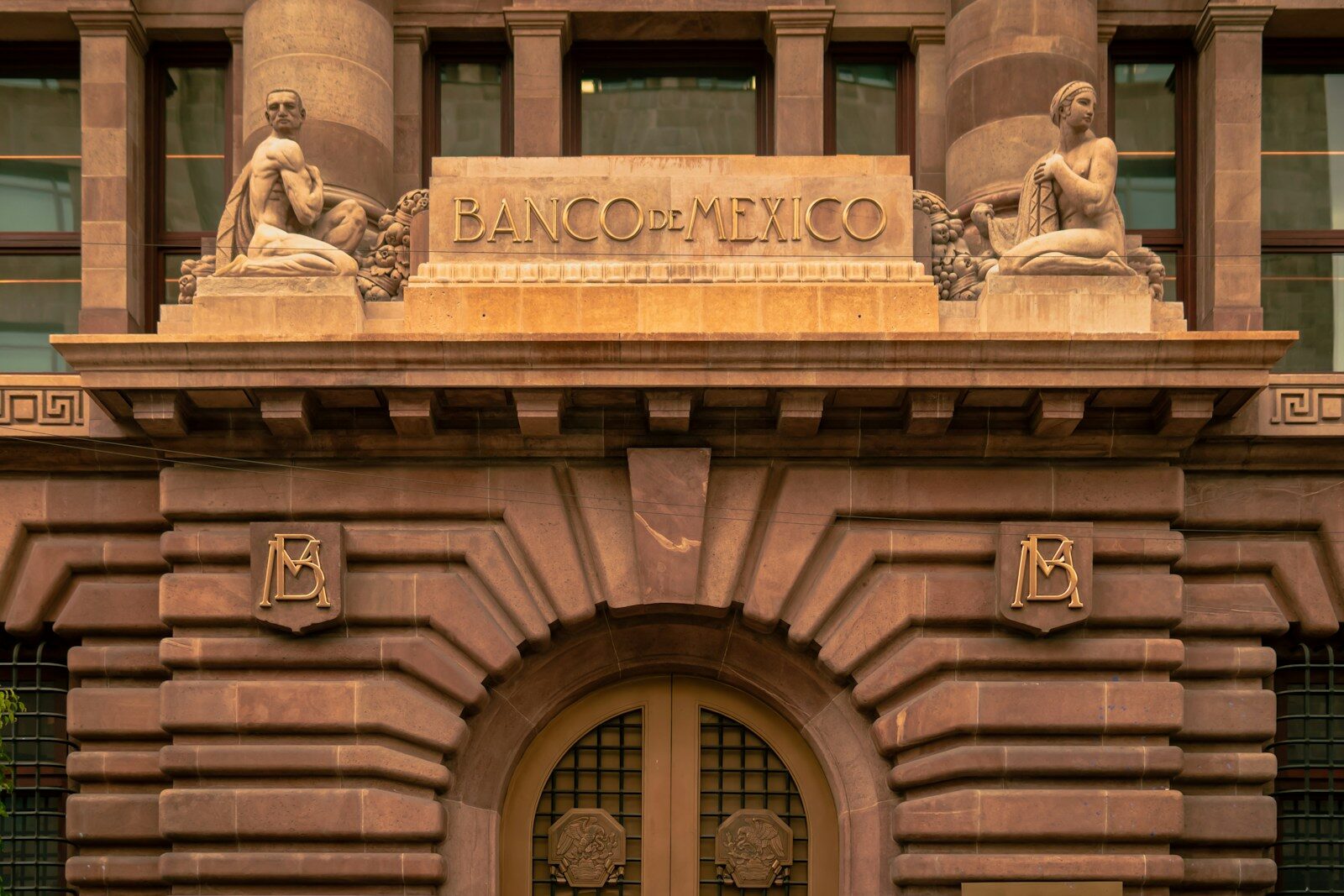
The local currency is the Mexican Peso (MXN). Exchange money at the airport or use Visa/Mastercard ATMs to withdraw local currency. We recommend carrying a mix of cash and cards, as smaller businesses and street vendors often prefer or only accept cash.
IVA Tax Refund: International visitors who do not reside in México can recover the 16% Value Added Tax (IVA) on eligible purchases.
Staying Connected
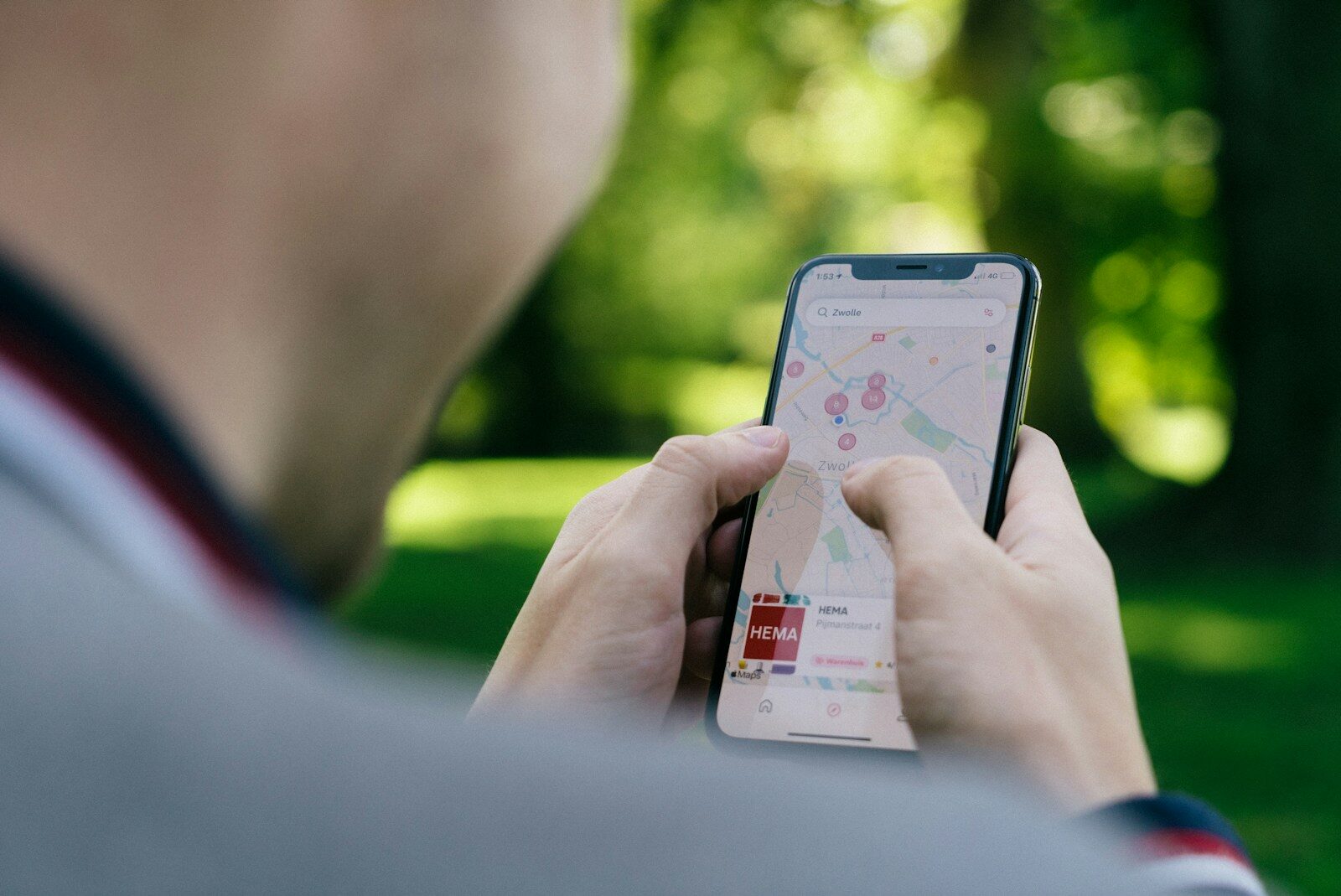
Wi-Fi is widely available in hotels, cafés, and public areas. For reliable data and navigation, consider purchasing a local SIM card — available at the airport and convenience stores from major local carriers.
Electrical outlets use the North American standard: 127V / 60Hz (Type A/B plugs). Visitors from Europe, the UK, Australia, and most of Asia will need a plug adaptor.
Visa Requirements
Depending on your nationality, duration of stay, and purpose of visit, a visa may be required prior to travel. Applications must be submitted through the Mexican consulate or embassy in your home country.
We recommend checking your requirements well in advance, where you can verify whether a visa is needed, review required documents, and track your application status.