English
  العربية
  简体中文
简体中文  Français
  Deutsch (Sie)
  Русский
  Español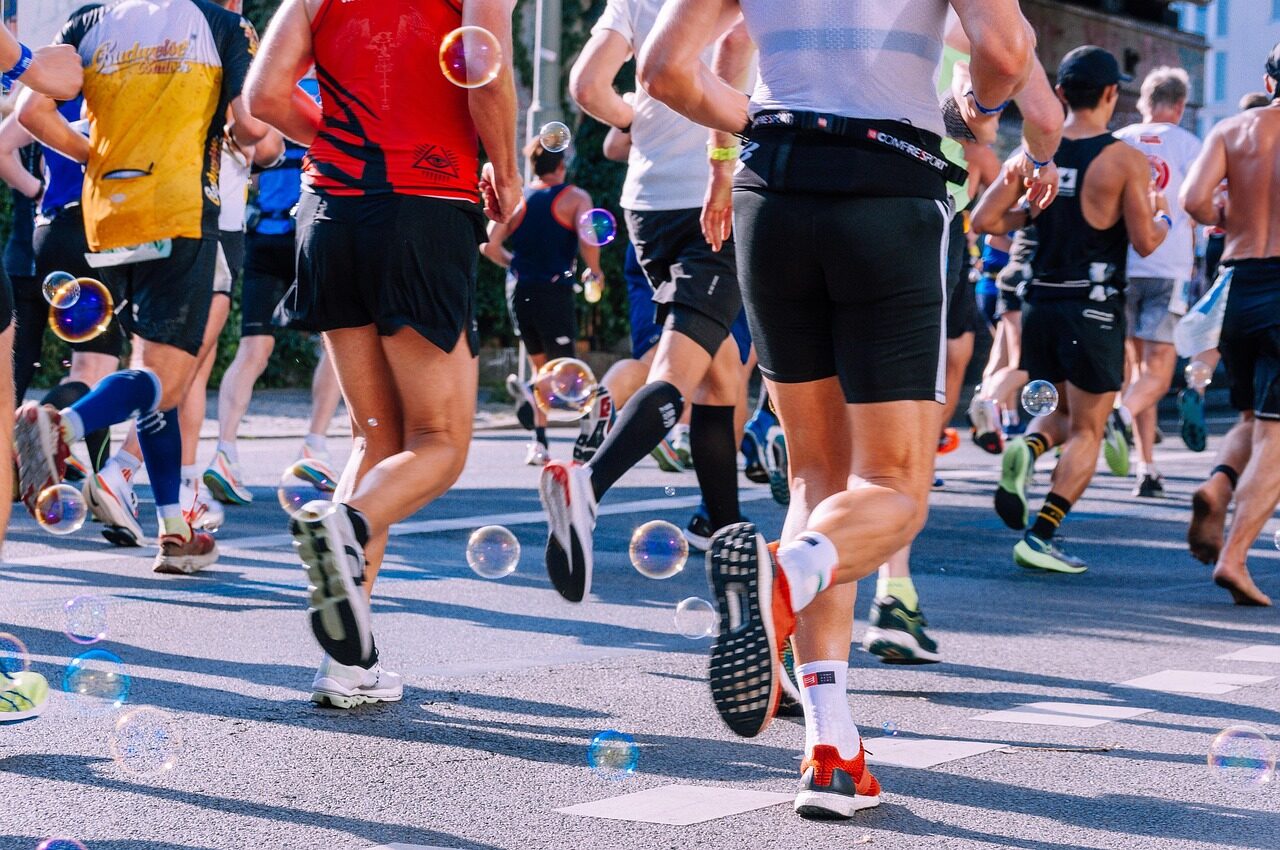
Running is growing, but we must ask who has access to safe, welcoming, and meaningful ways to take part?
On this Global Running Day, we find ourselves in the middle of what some have called running’s ‘third boom.’ Major races are seeing extraordinary demand, marathon drawings are becoming increasingly competitive, and more people are logging their runs, joining running clubs, and travelling to events across the world.
At first glance, this heightened engagement seems worth celebrating. Running requires little equipment, can be done almost anywhere, and has long been promoted as a vehicle for public health, wellbeing, and social connection.
But as running grows, we should also ask ourselves: who is actually included in this boom?
Increased participation and visibility do not mean everyone has equal access. Participation is still shaped by income, race, gender, geography, safety, time, confidence, and belonging. While some experience running as freeing and joyful, others may not feel it is ‘for people like them’ or have safe, welcoming spaces to take part.
There are three areas to consider as we strive for a more accessible and diverse sport.
1. Public spaces for all
To run, people need access to spaces where they feel safe, comfortable, and welcome. This includes parks, trails, sidewalks, lighting, toilets, water fountains, and low-traffic streets. Neighborhood design matters because safe, inviting places make running and everyday movement easier and more enjoyable.
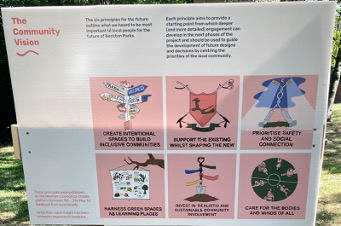
But safety is not only about infrastructure. It is also social. For some people, running in public can carry additional risks or anxieties. In the United States, there have been multiple cases of black runners being threatened or killed while simply going for a run, such as Ahmaud Arbery in 2020. Additionally, in the current political climate, some immigrants and people of color feel less safe running and moving freely through public spaces due to the threat of immigration authorities.
2. Free, community-focused opportunities
High-profile races and destination events receive much of the attention, but running’s future should not only be measured by marathon demand or sell-outs. Local, free, and low-cost opportunities are essential for widening participation.
Community-based events such as parkrun 和 NYRR Open Run show how running can be welcoming, social, and accessible without requiring a major financial commitment. They reduce barriers by creating free, low-pressure environments where people can participate at their own pace.
Community-based events such as parkrun 和 NYRR Open Run show how running can be welcoming, social, and accessible without requiring a major financial commitment. They reduce barriers by creating free, low-pressure environments where people can participate at their own pace.
Run clubs and crews can also play an important role, especially when they are rooted in neighborhoods, shared identities, or common interests. For many people, community makes showing up and staying consistent easier.
3. Running with Purpose
Running can also be a way to connect individual activity with wider social good. Charity running has long been part of major marathons such as the TCS London Marathon and the TCS New York City Marathon, helping people raise money and awareness through their training and racing.
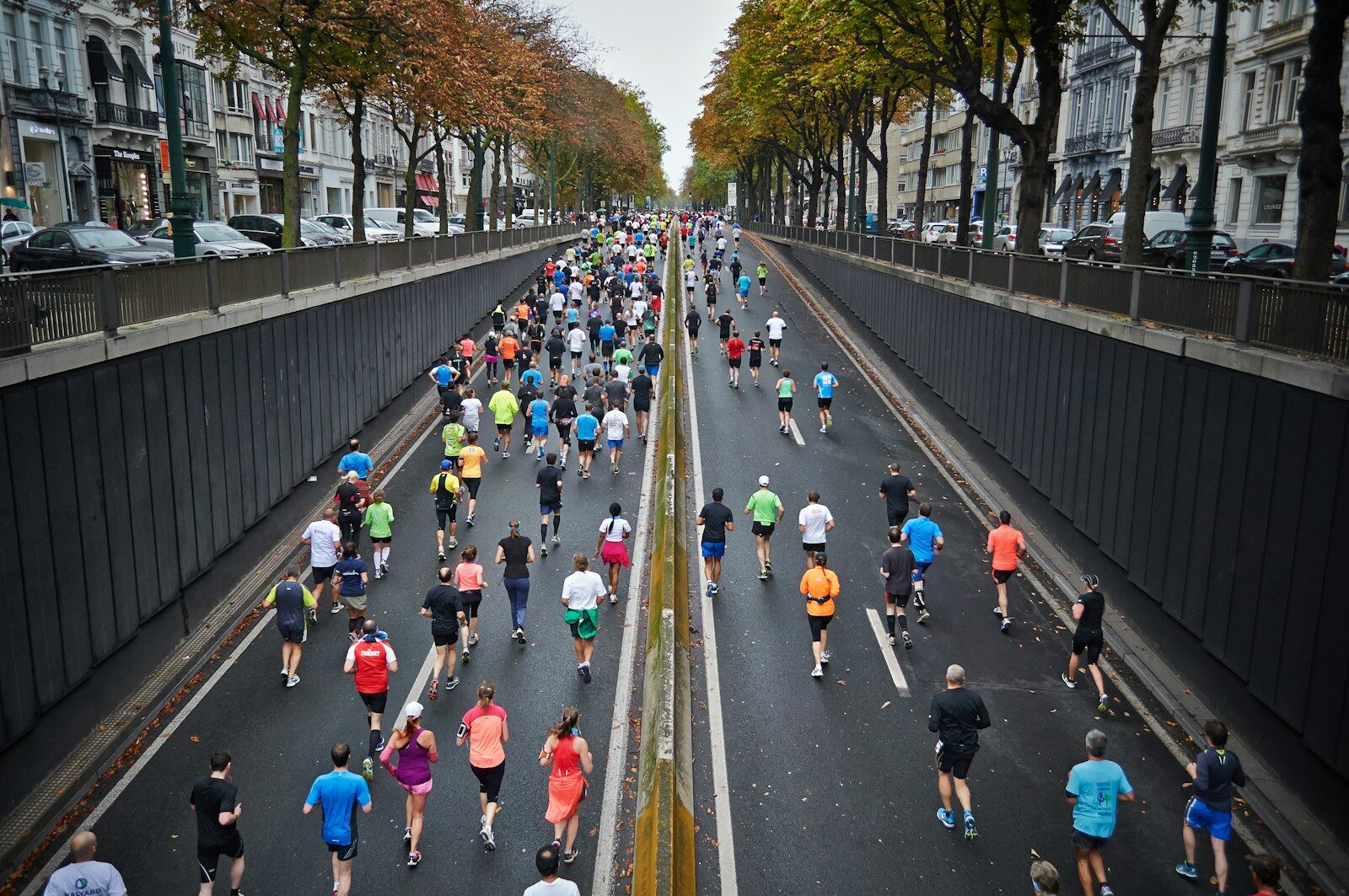
But purpose-driven running does not have to happen only on race day. There are many examples of socially minded forms of running that one can partake in throughout the year. For example, plogging combines running with cleaning local spaces. GoodGym connects running with volunteering and social support, including visits to isolated older adults. Apps such as Charity Miles allow people to raise money through everyday walking and running activities. Others have used running to draw attention to social and political issues such as gerrymandering, showing how movement can become a form of advocacy.
Running’s third boom offers a major opportunity for public health, but its success should not only be judged by how many people enter races or post their runs online. It should be judged by whether more people feel safe, welcome, and supported to take part.
If running is booming, let’s make sure it is truly booming for everyone.
带回家的信息
- Running’s growth should be celebrated but also examined through the lens of equity and inclusion.
- Safe public spaces, free local opportunities, and welcoming communities are essential for widening participation.
- The success of running’s current boom should be judged by who feels able, safe, and supported to join in.
Author: Dr Michael Bukur