English
  العربية
  简体中文
简体中文  Français
  Deutsch (Sie)
  Русский
  Español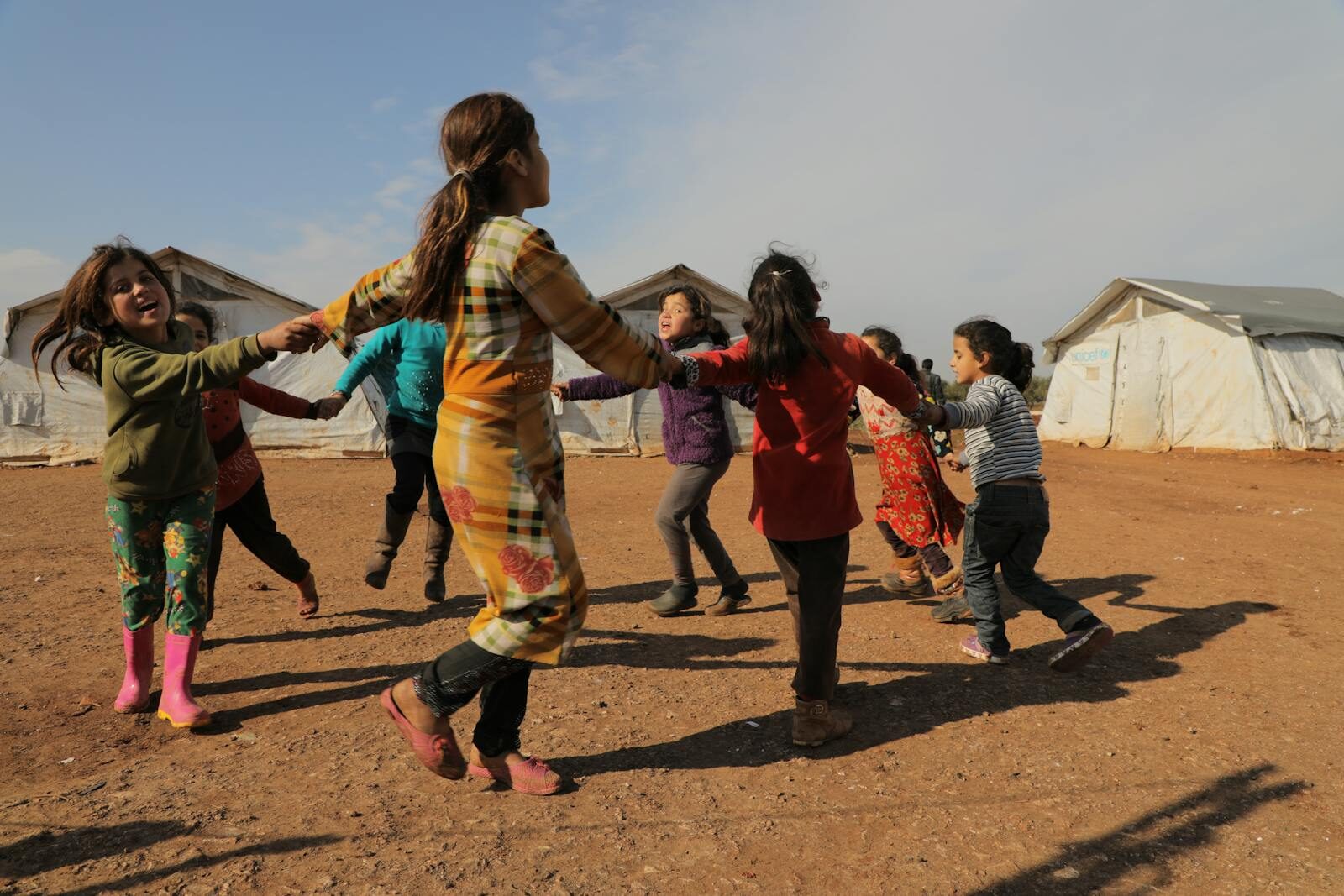
Parents, educators, and governments have a shared responsibility to protect a child’s right to play.
From our earliest years, we’re encouraged to “learn through play” to explore, imagine, move, and connect. Yet beyond this familiar phrase lies something far more important. When children engage in regular active and creative play, they are not simply passing time; they are building the foundations for lifelong health, physical activity, confidence, and social connection. Исследование suggests that early movement experiences shape behaviors that track across the lifespan, influencing how active and engaged people remain as they grow older. However, children’s opportunities for safe and enjoyable play are increasingly being challenged by factors such as climate change, urbanization, safety concerns, and the growing presence of technology and sedentary screen-based behaviors in everyday life. The 2026 International Day of Play provides an opportunity to reflect on these challenges and recognize the shared responsibility we all have to “protect play, protect childhood.”
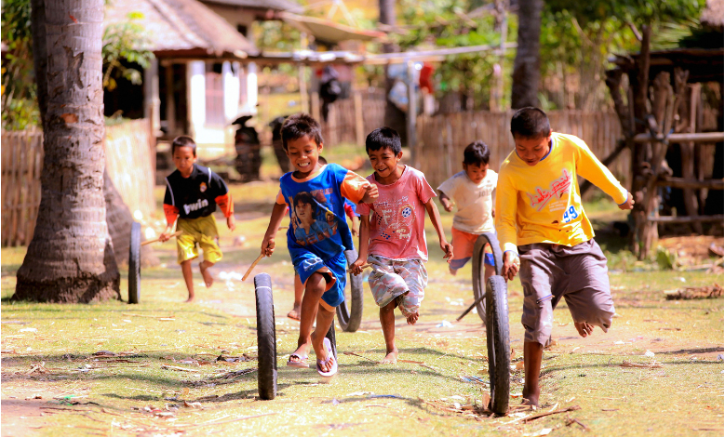
Early childhood is a critical period for development. Исследование shows that children who are more physically active tend to have better motor skills, cognitive development, and social-emotional wellbeing. Play-based movement programs that are fun, engaging, and imaginative can help these outcomes even further. Activities that incorporate storytelling, music, and creativity can support not only children’s physical development, but also their confidence, enjoyment, and emotional regulation. Educators also play an important role in inventing creative, playful, and active environments. A recent study* found that when educators role model activities, join in with children, and embed movement opportunities into daily routines, children are more likely to participate and engage in play-based programs.
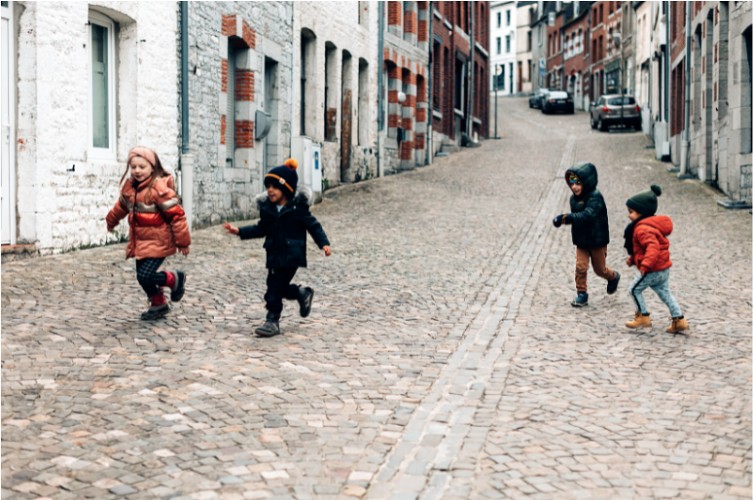
Rapid urban growth and changing environments are also influencing how children engage in play, creating new challenges for parents and caregivers. A study from The Journal of Physical Activity and Health found that parents across different countries often feel that extreme temperatures and safety concerns reduce the amount of time young children spend playing outdoors. As extreme weather events become more common, parents may need to think more creatively about how children can continue to play safely and stay active. This might include preparing for different weather conditions with raincoats, hats and sunscreen, while also having ideas such as dancing or a scavenger hunt for indoor active play when outdoor play is not possible.
One billion children live in urban environments that are rapidly changing. As cities become more densely populated and shift towards apartment-style living, many children are growing up with reduced access to parks, playgrounds, lakes and swimming pools. This means policymakers and urban planners have an important responsibility to place children at the center of urban design and involve them in decisions about play spaces to help ensure these environments are designed for how children actually play.
In today’s technology-driven world, screen use has become an increasingly important consideration when discussing children’s opportunities for play. Исследование has found that spending large amounts of time watching television shows or movies, and playing computer games (including handheld games or video games), may reduce opportunities for peer active play. However, the relationship is not that simple, as some forms of screen use, such as movement-based smartphone apps, may also create opportunities for movement. This highlights the importance of balance and ensuring children continue to have regular opportunities for unstructured, creative, social, and physically active play experiences.
Protecting children’s access to safe, enjoyable play is a shared responsibility. Parents can create opportunities and encouragement for play within the home, educators can bring play to life within learning environments, and governments can support access through policy, funding, and child-friendly communities and spaces. When these groups work together, they help create the conditions needed to protect play – and in doing so, protect childhood itself.
Положите себе на заметку:
- Parents can support play by preparing for different weather conditions, finding safe spaces for active, creative play, and limiting sedentary screen-time activities.
- Educators can help bring play to life by joining activities that encourage creativity, imagination, movement, and social connection.
- Governments and urban planners should include children’s voices when designing communities and spaces that support safe, accessible, and enjoyable play.
*These findings are from a study currently under peer-review. Harrison et al, 2026 [Exploring early childhood educators’ perceptions of a Pilates program for preschool aged children. A qualitative study.]
Авторы:
Dr Claudia I Maddren1, Zoe Harrison1, Dr George Thomas1,2
1 Health and Wellbeing Centre for Research Innovation, School of Human Movement and Nutrition Sciences, The University of Queensland, Brisbane, Queensland.
2 Australian Research Council Centre of Excellence for the Digital Child, Brisbane, Queensland.