English
  العربية
  简体中文
简体中文  Français
  Deutsch (Sie)
  Русский
  Español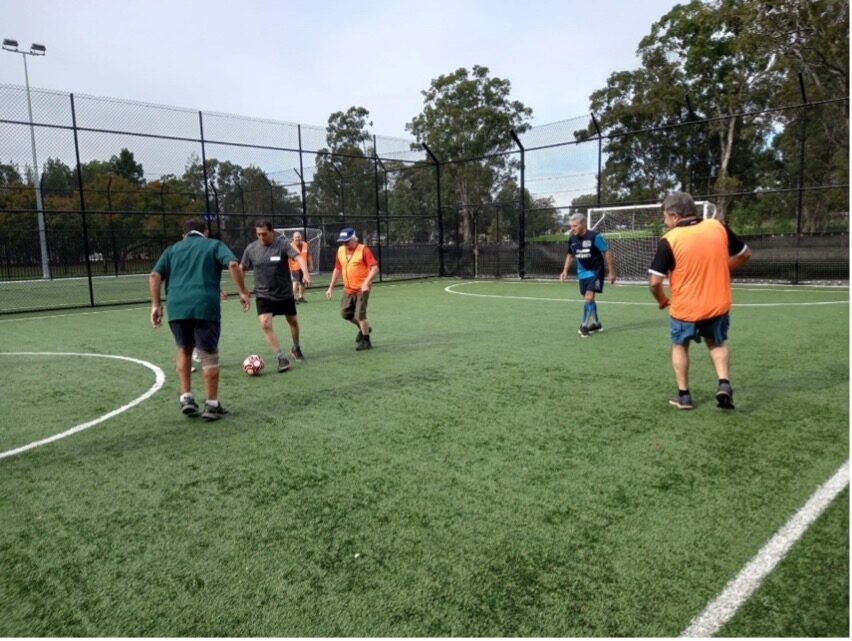
A slower-paced game helping adults 60+ stay active and socially connected.
Worum geht es dabei?
WalkSoccer is a slower, low-impact version of the world’s favorite sport with two key rules: no running and no contact. It keeps the fun, tactics and teamwork of traditional soccer but makes the game safe and accessible for older adults of all fitness levels.
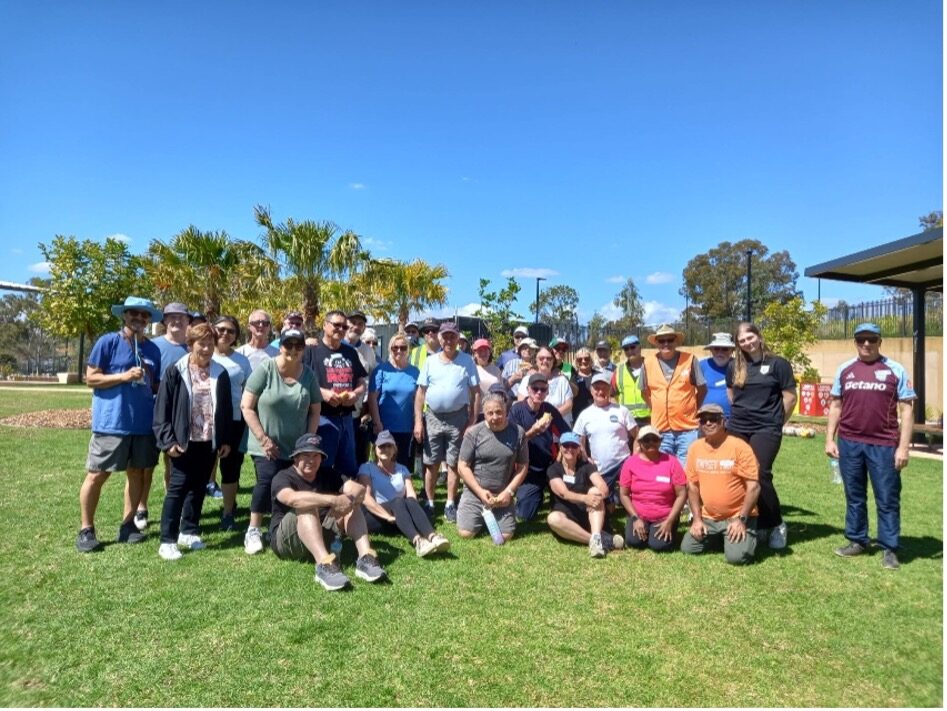
South Western Sydney Local Health District’s Health Promotion Service has built partnerships with Walking Football NSW, local councils (Campbelltown, Fairfield und Liverpool) and other organizations – including Collective Leisure, a social enterprise aiming to reduce health inequity through innovative programs that promote physical activity and well-being, tailored to underserved communities. Together we have established community WalkSoccer hubs specifically for adults aged 65 and over, while also welcoming those 60+ who are living with a chronic condition.Traditionally, WalkSoccer is played by women aged 40+ and men aged 50+, but our model deliberately extends the opportunity to older adults to meet the needs of healthy ageing and to reduce social isolation.
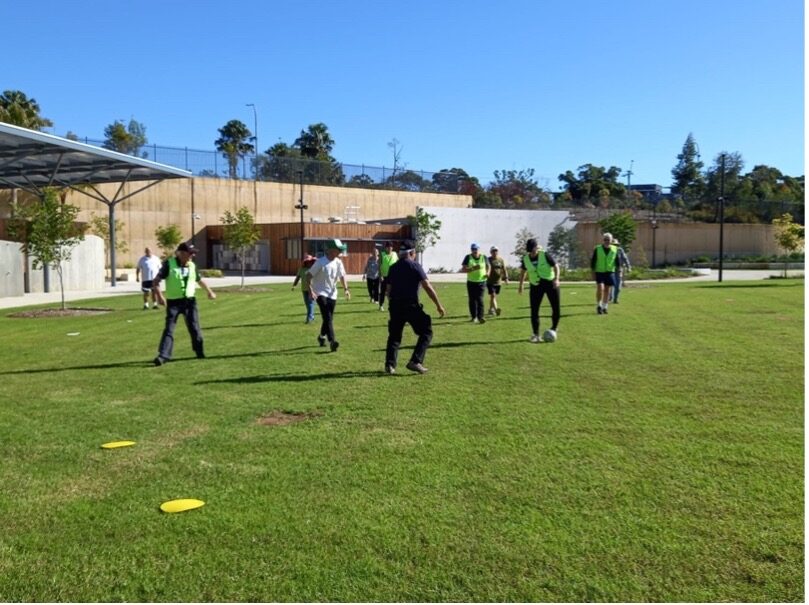
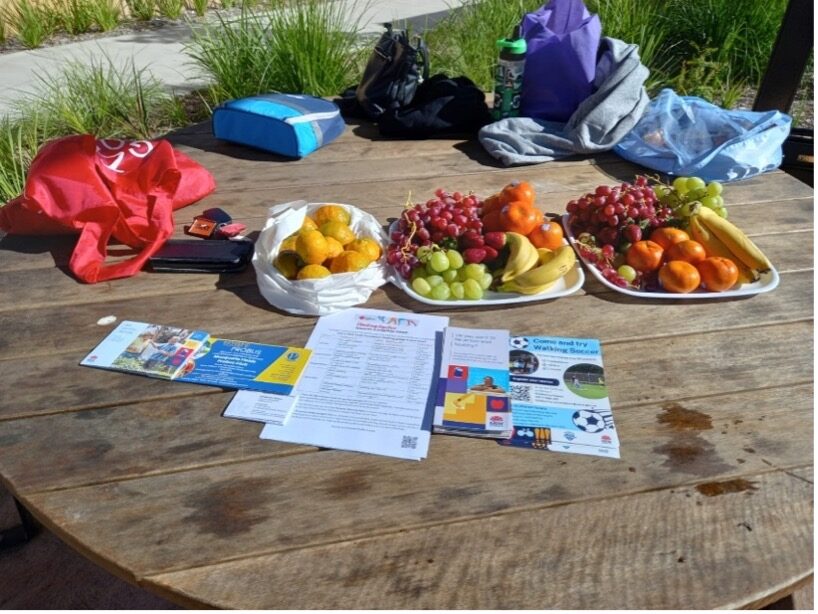
Each hub runs weekly sessions during school terms, beginning with a community “Come and Try” day. Sessions always finish with a shared fruit morning tea, creating a friendly space to meet others, swap stories and find out about other healthy ageing programs.
Warum ist das wichtig?
Loneliness and social isolation are now recognized as serious health risks. Many older adults, especially men, find it hard to join group-based activities post-retirement (Nurmi et al, 2016).
WalkSoccer directly addresses these barriers:
- Connection first: Player’s talk, laugh and build friendships on and off the pitch. For many, the morning tea is as important as the match.
- Gentle physical activity: The slower pace makes it suitable for people with arthritis, diabetes or heart conditions while still improving balance, circulation and fitness.
- Familiar, fun and inclusive: Soccer is instantly recognizable; adapting it for walking invites people who may not see themselves as “sporty”.
- Feedback from a male participant who joined after encouragement from his wife:
It’s a social outing as well as a fitness outlet. It has got me off the lounge. It’s nice to meet new people. It has encouraged me to do more exercise”
While the evaluation was modest, feedback from participants who attended for a month, or more was overwhelmingly positive. Over 90% reported feeling more socially connected or making new friends, and nearly two-thirds said they were participating more in group activities. Men – often underrepresented in healthy ageing programs – make up almost two-thirds of regular players.
This combination of movement and meaningful connection shows how a simple idea can reduce loneliness and strengthen community health.
Botschaften zum Mitnehmen
- South Western Sydney Local Health District’s Health Promotion Service partnered with Walking Football NSW to deliver this adaptive sport, engaging older men – while also welcoming women – to be socially active, connected, and healthy.
- Three community hubs for 65 years and over have been created across South-West Sydney, each fostering local ownership and sustainability.
- Builds friendships, combats loneliness, and gives participants a renewed sense of purpose and belonging.
- Strengthens community links through partnerships with councils, sporting clubs, and local organisations.
Verfasst von: Kimberley Rainer,1 Sarah Ryan,1,2 & John Hanley3
1 South Western Sydney Local Health District, NSW Health, Australia
2 Faculty of Social Sciences, Wollongong University, Australia
3 Walking Football NSW, NSW, Australia