English
  العربية
  简体中文
简体中文  Français
  Deutsch (Sie)
  Русский
  Español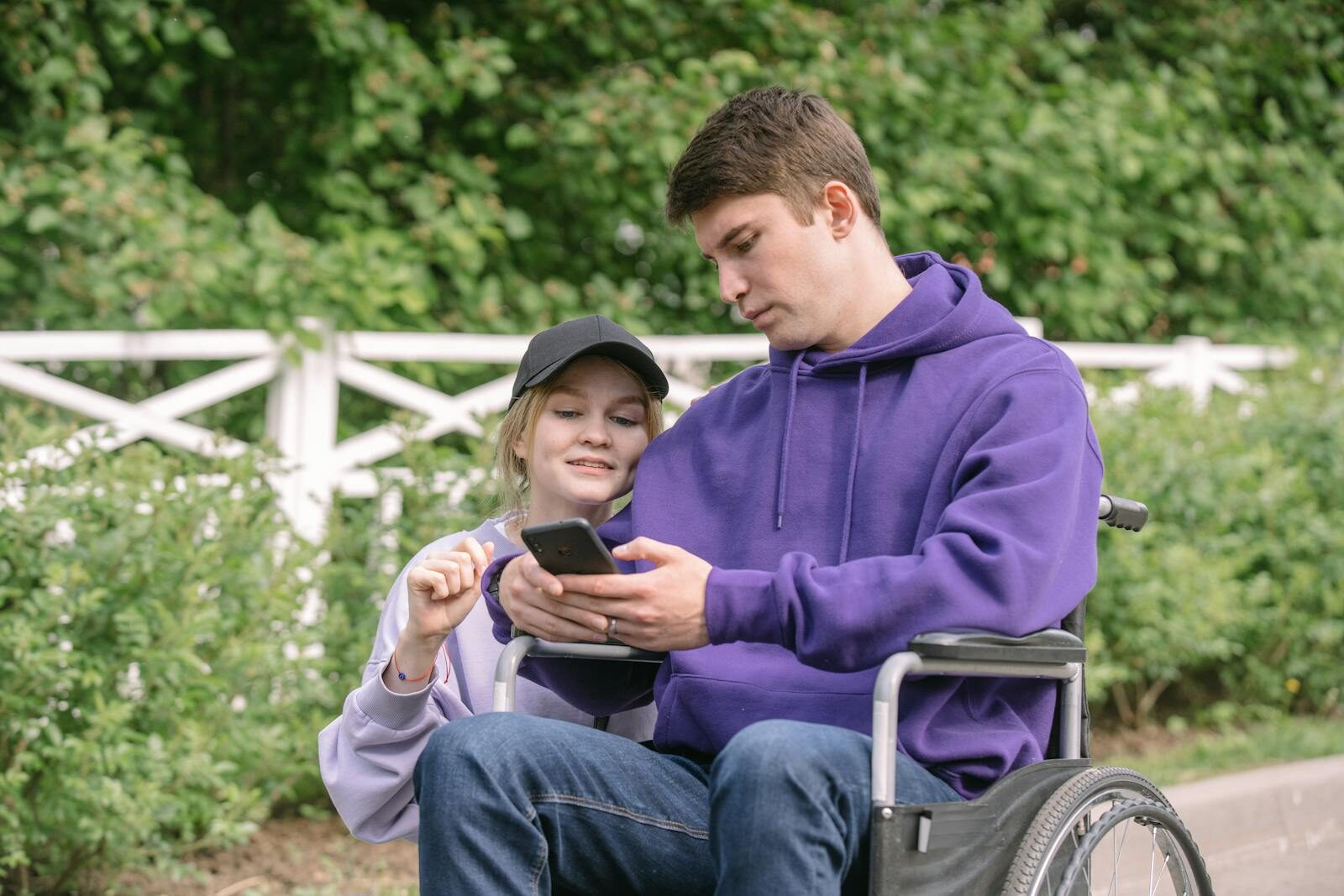
Worum geht es dabei?
Physical activity has been central in the life of our species for most of it’s history, and thus shaped our physiology during evolution (1). Among people with disabilities, participation in physical activity is often significantly lower compared to those without disabilities (2). For example, in a British national survey, only 17% of adults with a disability reported at least one session of physical activity per week, compared to 40% of adults without a disability (3). These lower participation rates can be due to the multiple barriers people with disabilities experience (e.g., inaccessible built environments, stigma etc) (4).
Adults with disabilities are at a higher risk of obesity, metabolic disorders, decreased overall health, increased social isolation, and reduced quality of life compared to those without disabilities. This disparity not only affects health outcomes but also reinforces broader inequalities in wellbeing and quality of life among individuals with diverse movement challenges. As such, there is an urgent need for suitable interventions that aim to increase physical activity in this population (5). A previous study emphasises that these interventions must go beyond individual behaviour change and address the broader system including better trained staff, more accessible environments and equipment, improved transport options, and efforts to reduce stigma and exclusion (6).
What’s a potential solution?
Mobile health (mHealth) technologies offer a promising strategy to reduce this gap (7). mHealth refers to the use of mobile technologies, such as smartphones, to support engagement in health behaviours (8). In this blog for International Day of Persons with Disabilities, I will discuss why and how mHealth technology can be a suitable solution for people with disabilities to become more physically active.
Warum ist das wichtig?
Given the increase in smartphone use and the advancements in mobile technology, with over 3.3 billion users worldwide (9), several studies have found that mHealth apps are a promising tool supporting healthy changes in physical activity (10, 11) including Accessercise, Wheelfit and IncluFit. This work is timely and unique because smartphone applications (or apps) can help overcome common barriers to physical activity as they are relatively low-cost, widely accessible, and adaptable, offering opportunities for personalised tracking and feedback, and can help overcome transportation and environmental barriers to physical activity (12, 13, 14). Most importantly, this strategy has the potential to increase engagement in physical activity among people with disabilities, improving not only physical health but also social inclusion and overall quality of life, addressing a critical gap in health equity.
Call for action
Technology is rapidly integrating into modern society and is opening new doors for people with disabilities to lead more active, healthier lives. Explore physical activity mHealth apps, share resources with friends or family, and continue to press for accessible environments in your community. Every step, whether physical or digital, can help create a more inclusive and equitable world where everyone can enjoy the benefits of physical activity.
Botschaften zum Mitnehmen
- People with disabilities face significant barriers to physical activity, resulting in lower participation rates and increased risks of health complications compared to those without disabilities.
- Mobile health technologies including smartphone apps offer a promising solution by providing low-cost, accessible, and adaptable strategies for tracking activity levels, offering feedback, and personalised content to promote physical activity.
- Using technology for physical activity can improve overall health, social inclusion and quality of life for people with disabilities, helping to reduce health disparities and promote equality for adults with disabilities.
Verfasst von:
Dr James Haley | Department of Psychology, University of Chichester